Recent Society of American Archivists Statements

The Society of American Archivists (SAA) has made a concerted effort to respond to each new affront to archivists and cultural heritage workers as well as to share resources to support impacted archivists. To amplify and encourage wider distribution of this information and to raise awareness of the organization’s stance on current events, this post will collate recent updates from SAA leadership (as of March 19, 2025).


SAA Response to AOTUS Removal Urges Advocacy

The leadership of the Society of American Archivists (SAA) is alarmed by the dismissal of the Archivist of the United States on February 7, 2025. We believe the removal of AOTUS with no stated cause does harm to our nation and its people. The Society wants to reassure our colleagues across the profession that we continue to support the mission of the National Archives and Records Administration (NARA) to preserve and provide access to the essential records of the federal government.


As archivists, we adhere to a set of core values that champion accountability and social responsibility and promote preservation, access, and use. Protecting the integrity of the federal record and affirming the work of those who care for it aligns with our professional codes and responsibilities.


SAA will continue to monitor the situation at NARA and will actively work to support NARA workers and archivists across the United States. In the meantime, we want to remind you that your voice matters; please take a few minutes to contact your legislators today.


It’s all in the details. When advocating, use statistics and facts to help support your claims. Tell your representatives and senators why the safekeeping of government archives is essential to a free and healthy democracy. Call or write to them to share how national archives change lives.

Some examples include:

  • preserving and promoting our nation’s foundational documents, 
  • giving veterans access to their personnel records to secure benefits, 
  • connecting with your family’s history, 
  • teaching students about the history of the United States, and 
  • studying and understanding the human experience. 

SAA will continue to support our NARA colleagues by contacting policymakers directly about the importance of government archives and records management. We appreciate the voices of the many SAA members who have reached out to us over the past few days and stand with you as partners in advocacy.


SAA Condemns Widespread Firing of Archivists and Cultural Heritage Workers

The Society of American Archivists condemns the decision of the White House to terminate substantial numbers of archivists and cultural heritage workers at the National Archives and Records Administration (NARA), the National Park Service, and other government agencies.


All federal employees who work with archives serve a vital function for the United States. The White House’s staffing decisions, which compromise the livelihoods of thousands of individuals, jeopardize the preservation and access to the evidence that safeguards individuals’ rights, documents government actions, and ensures transparency. The actions can be seen as threatening the independence of NARA, thereby creating a risk that public servants can evade accountability. Federal archives are foundational infrastructure for a democratic society and should serve their non-partisan function without political interference.


SAA strongly urges Congress to assert their prerogatives, retain Congressionally authorized staffing levels, and preserve Congressionally legislated agency independence.


SAA Council extends our support and solidarity to impacted workers. The Council is actively working to determine how best to support federal archival workers during this time. We welcome impacted workers to contact SAA regarding how we can best provide support: president@archivists.org.


SAA Statement on Media Reports Concerning Records Destruction

According to multiple news reports, USAID workers have been ordered to destroy or burn records, including classified records. Current reporting indicates conflicting information on whether the agency is in compliance with the Federal Records Act, which governs records from executive branch agencies.

With the many current federal actions targeting the reduction and elimination of federal agencies, the Society of American Archivists notes that such actions increase the risk of non-compliance with the Federal Records Act across federal agencies. Federal statute (44 U.S. Code § 3105) and regulations require agency heads to prevent the unlawful or accidental removal, defacing, alteration, or destruction of records. The swift shuttering of USAID raises questions as to the proper disposition of that agency’s records, including ensuring permanent records are transferred to the National Archives and Records Administration (NARA). Furthermore, SAA supports all federal staff in their effort to uphold the rules and statutes governing the management of records and archives.

Federal courts have been asked to intervene on this and other White House efforts to undermine records management and archives activities. SAA will continue to monitor these developments.

We encourage SAA members and all who care about the importance of government archives to contact their elected members of Congress with the following key messages:

SAA has created a list of resources for federal workers available on the SAA website Resources for Federal Workers.

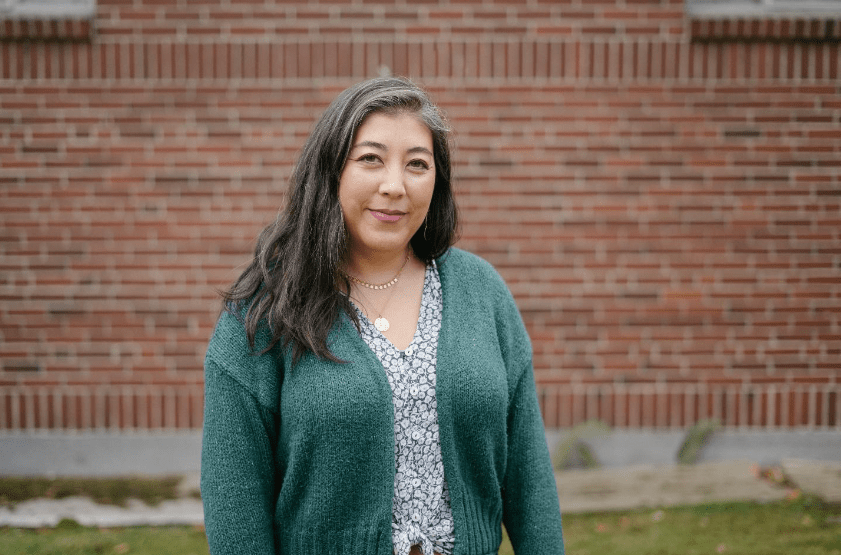
There’s an Archivist for That! An Interview with Caitlin Oiye Coon, Archivist at Densho

This is the newest post in our There’s an Archivist for That! series, which features examples of archivists working in places you might not expect. In this article, COPA member Angie Piccolo interviews Caitlin Oiye Coon about their job as Archivist at Densho.

How did you get your gig?

Caitlin Oiye Coon: In 2011, I was an early-career archivist in Seattle. I had written my graduate thesis on collective memory and the preservation of Japanese American incarceration photographs. In that project, I referenced Densho quite a bit. When I saw that Densho was hiring an archivist I knew I had to apply. The position combined my love of archives and my own personal connection to the incarceration. My dad’s family spent 1942-1946 incarcerated at Tule Lake. I grew up hearing stories from my grandma about her experiences there as a young woman. Luckily Densho hired me, and 12 years later I am the Archives Director and still excited to go to work every day.

Tell us about your organization

COC: Densho is a community-based archives and cultural heritage organization based in Seattle, Washington. We started out as a volunteer-led oral history project, recording stories of the World War II incarceration of Japanese American. We have spent the last 29 years interviewing survivors and their descendants, digitizing family collections, and creating educational content, all made available to the public online.

Describe your collections

COC: From Densho’s founding, our focus has been on providing access to all of our collections through digital platforms. All of our oral history and archival collections are freely available online in the Densho Digital Repository (DDR).

The DDR has over 1,000 oral histories and over 400 collections of digitized archival materials (photographs, letters, newspapers, documents, art, and ephemera) that range from one to thousands of objects. The focus of our mission is the Japanese American incarceration but we believe you cannot understand it in a silo, so our collections cover the broader experience from immigration to present day activism. 

We are a post-custodial archives; we digitize materials and then return them to the original donors. This has been a great model for us because families can share their stories through the DDR but can hold onto the physical materials that mean so much to them. We also partner with many organizations who hold archival materials related to the Japanese American incarceration; providing technology, knowledge, or labor for smaller organizations and functioning as a secondary repository for larger organizations.

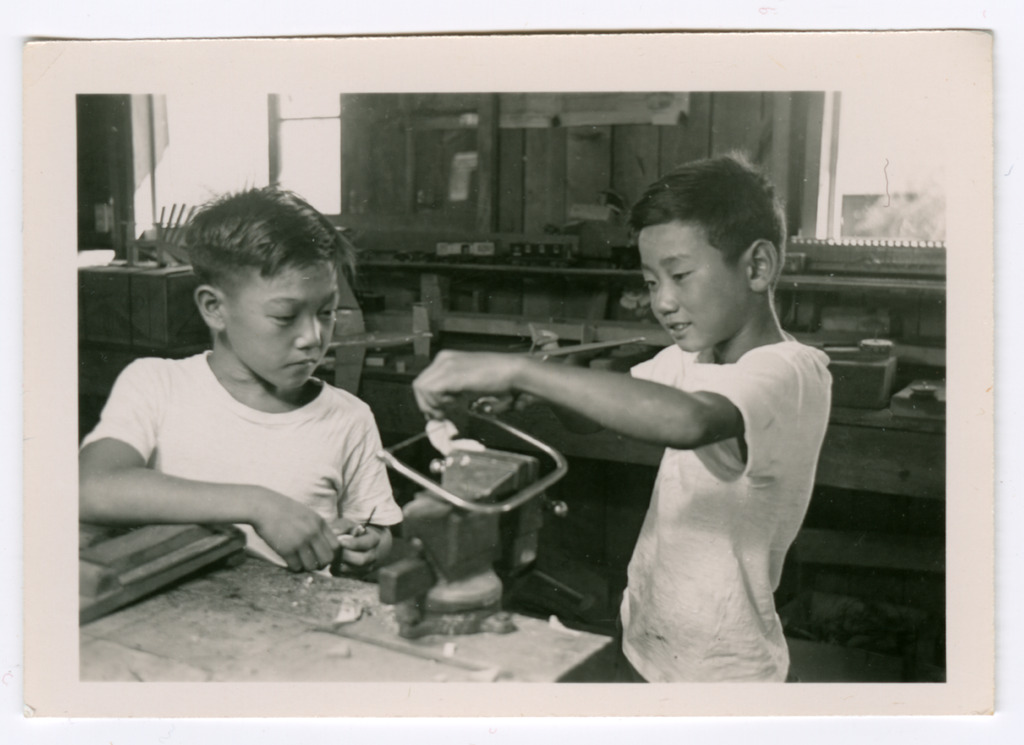
Boys woodworking in Poston incarceration camp
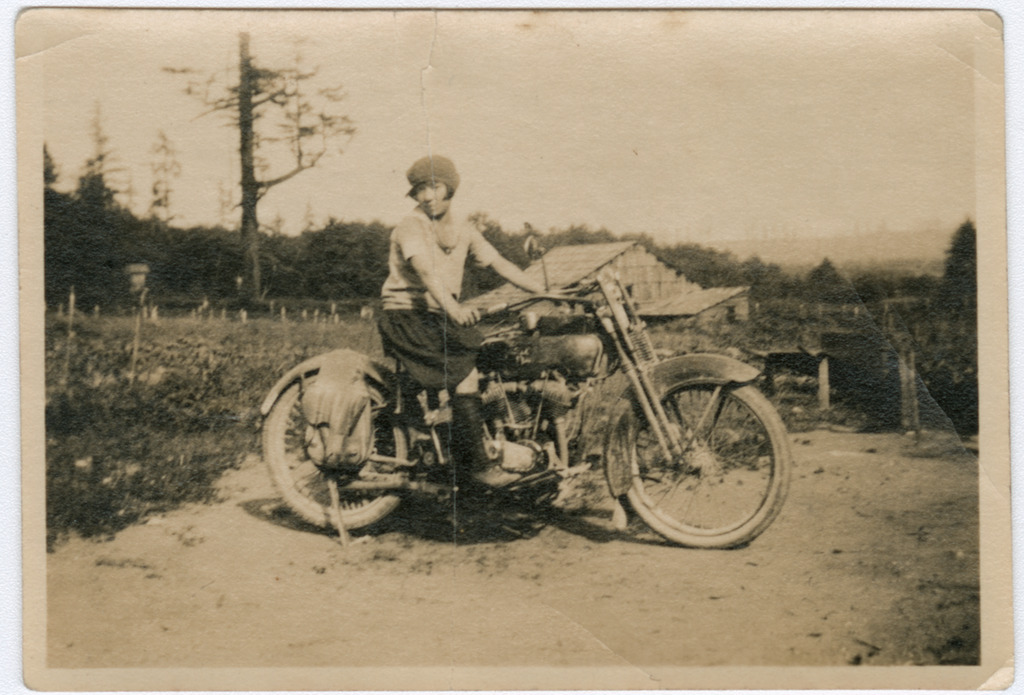
Japanese American woman on a motorcycle
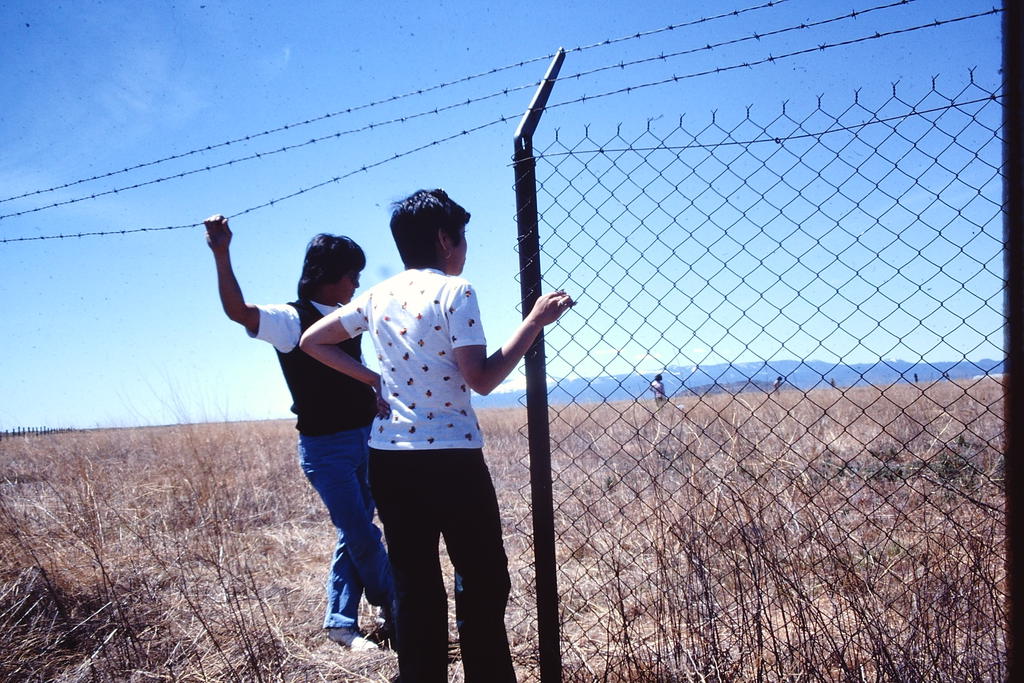
Pilgrims at Tule Lake

What are some challenges unique to your collections?

COC: Our biggest challenge comes from us being a completely digital platform and post-custodial archive. Over the years we have developed a good rhythm with the digitization process but it still takes a lot time. So, we are constantly working through a backlog of collections that cannot be viewed until they are published in the DDR.

What is your favorite part of your job?

COC: I love a lot about my job but I think the part that resonates the most with me is the connection to the community. We get to engage with so many families who were directly impacted by the incarceration. They all have different stories and they are fascinating to hear. Knowing that the community trusts us with those stories is gratifying.

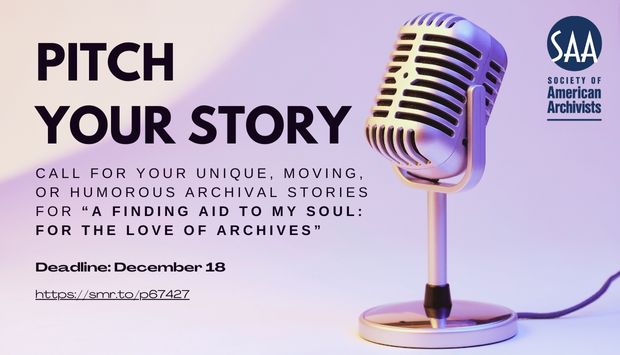
Call for Submissions: “A Finding Aid to My Soul: For the Love of Archives.”

SAA’s Committee on Public Awareness (COPA) is pleased to announce the return of its storytelling event with a special 2025 Valentine’s Day edition, “A Finding Aid to My Soul: For the Love of Archives.”

When did you decide that you wanted to be an archivist? What was your first encounter with an archives? How did you handle a challenge in your work? What is a unique, serendipitous, moving, mysterious, special, or humorous experience you’ve had as an archivist? We want to help you share your story!

The Event

During “A Finding Aid to My Soul: For the Love of Archives,” archivists from a variety of institutions and experience levels will share 5-minute true, personal stories of their connections to archives they have encountered. The virtual event—on Friday, February 14, from 12:00 to 1:00 p.m. CT—will be hosted by award-winning storyteller and educator Micaela Blei (The Moth, Risk).

Who Should Submit

We’re looking for a wide range of voices to share their experiences. Absolutely no storytelling or performance experience necessary. Bonus: Micaela will be available to support you as you practice your story. 

You may think that your story is not “dramatic” enough. We beg to differ! We want to hear stories with high stakes as well as small, intimate stories of the work you do and the personal ways it connects to your life. If it matters to you, it will matter to us, too. (If you need some inspiration, listen to selections from past “Finding Aid to My Soul” events on the Archives in Context podcast.)

Please note: If you participated in the Master Storytelling Workshop in October, we especially invite you to submit!

How to Submit

Submit your story for consideration. In 100 to 200 words, tell us about your archives story. (No cliff-hangers, please! Summarize the whole story.) Great pitches will include what happened, what changed for you (or the world!), and what was at stake.

Story submissions are due by December 18.

Selected storytellers will be notified in January.

So You Wanna Be An Archivist: Nadia Westenburg

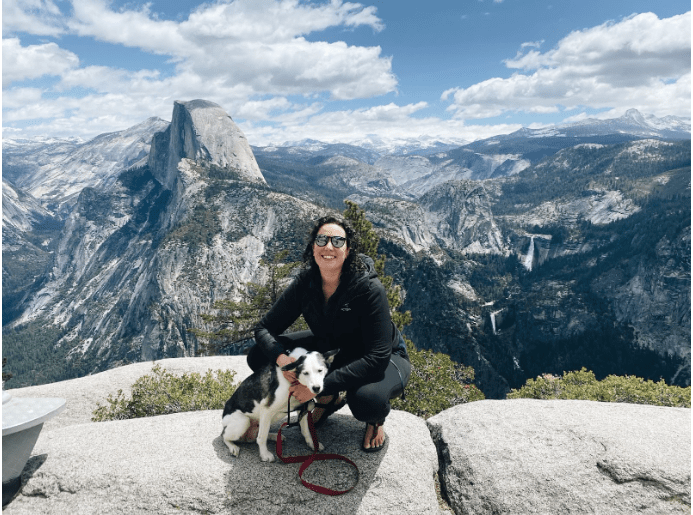
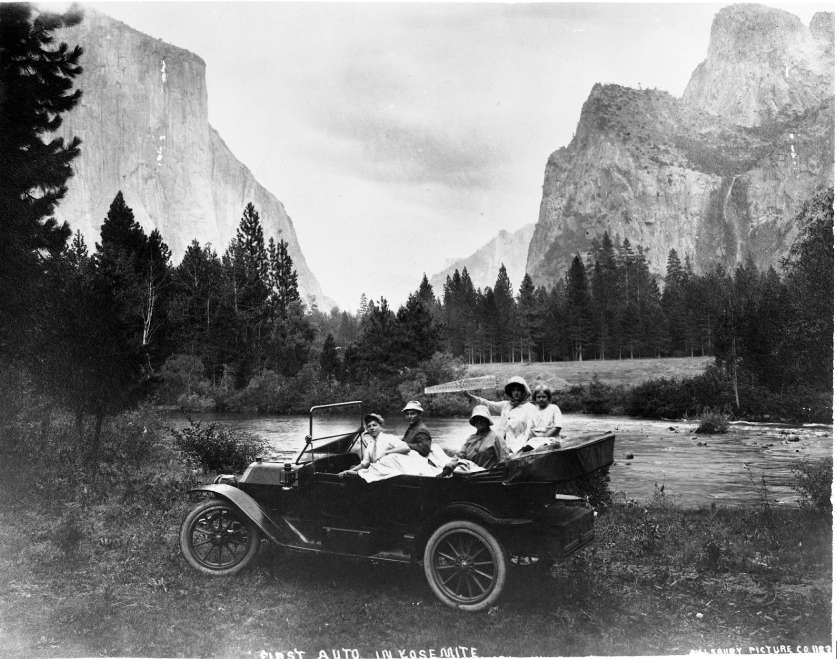
This is the newest post in our “So You Wanna Be An Archivist,” series, where archivists and other information professionals describe their path to the profession. In this article, COPA member Angie Piccolo interviews Nadia Westenburg about their path to becoming the Park Archivist for Yosemite National Park. 

Q: Please describe your current position

Nadia Westenburg: I am the Park Archivist for Yosemite National Park. Our collection is one of the largest in the National Park Service (NPS), and consists of over 3000 linear feet of material, including primarily federal NPS records, but also park records predating the creation of the NPS in 1916, records of the park’s concessionaires, personal papers and manuscript collections relating to the park’s history, and more.

Q: What drew you to the profession?

NW: I first studied the NPS during my graduate program in decorative arts history, for which I wrote my thesis on a series of silkscreen posters the NPS produced during the New Deal. In my research I discovered that most NPS units have their own on-site museum collections and archives that tell the institutional stories of each park. As a major outdoor enthusiast, I thought working in an NPS collection would be the perfect intersection of my skills and personal interests.

Q: Can you describe your educational background and work experience?

NW: My career trajectory is atypical in the archives world in that my educational background is in Art History and my professional experience has largely been in museums and curatorial settings. I lived in New York City for several years, but in my mid-20’s I fell in love with the outdoors and realized the life I thought I wanted—living in a big city and working at a major museum—was not going to fill my cup. I needed to live somewhere with easy access to nature and public land, but also didn’t want to neglect the part of myself that really enjoyed history and museum work.

I worked as a Museum Technician at Zion for two years, and at Yosemite for one year, before landing a permanent job as an Archives Specialist with the NPS’s Technical Information Center (TIC), which manages planning, design, and construction records for the entire NPS. During that time I also did a four-month detail as the Cultural Resources Program Manager at Katmai National Park and Preserve in Alaska, which was both a fantastic professional development opportunity and an amazing personal experience. After over three years with TIC, when Yosemite’s long-time Archivist took a promotion at the park and his position became vacant, I couldn’t resist applying.

Q: What skill has been the most valuable in your career? 

NW: A desire to be a lifelong learner. A diverse skill set is crucial working for a government agency that is chronically underfunded and in which employees always wear many hats, and I am always trying to learn new things that I enjoy and that may help me in my career. For me this has meant cross-training in things like Tribal consultation, historic preservation, leadership, and more.

Q: What advice would you give to someone who is trying to enter into this field?

NW: First, stay adaptable and don’t be afraid to pivot! For me this has meant stepping outside my comfort zone and sometimes pursuing jobs or experiences that felt new and scary to me. A diversity of experience, and even periods of stepping away from work to pursue personal endeavors, have been major professional assets.

Second, who you work with is even more important than the work you do. Even the most amazing position can look like a dream job on paper but be ruined by a bad supervisor or a toxic work culture. Always try to get some intel on the realities of a position, and build a network you can call on to suss out the vibes of a future workplace. A great job will bring you professional satisfaction and enrichment but also allow you to live your “dream life” outside of work as well.

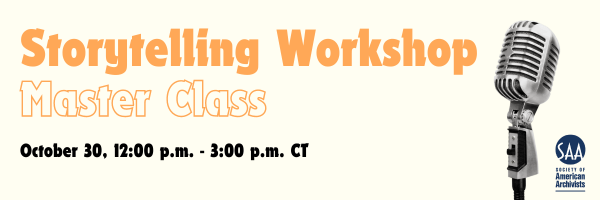
American Archives Month 2024: Storytelling Workshop Master Class with Micaela Blei!


The Committee on Public Awareness (COPA) is thrilled to sponsor this incredible event again! The virtual workshop is led by Micaela Blei, a two-time Moth GrandSLAM winner with a PhD in narrative education. You’ll learn:

● What makes a story work;

● The connections among narrative performance, research, and teaching;

● How to brainstorm and craft stories of your own.

After completing this workshop, budding storytellers and bards will have the opportunity to submit their story for possible performance in a special Valentine’s Day virtual storytelling event —“A Finding Aid to My Soul”—on February 14, 2025! If selected, you’ll receive additional guidance from Dr. Blei to help fine-tune your story. Stay tuned for more details.

This virtual workshop is on Wednesday, October 30, 12p-3p (CT). Registration is $49. Register here.

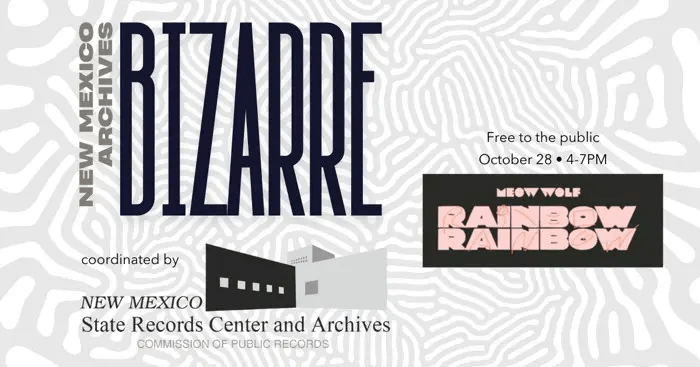
American Archives Month 2024: New Mexico Archives Bizarre

The New Mexico State Records and Archives in Sante Fe, New Mexico is coordinating an Archives Bizarre at House of Eternal Return / Meow Wolf on October 28 from 4p-7p (MT).


An Archives “Bizarre” is an opportunity to display archival materials from multiple institutions in one place – specifically those items that are truly unique, kooky, artistic, or—yes—just plain weird.

Visit with archivists displaying items held in the:

  • State Archives of New Mexico
  • University of New Mexico (including their Health Sciences Library)
  • New Mexico History Museum (Palace of the Governors Photo Archives and the Fray Angélico Chávez History Library)
  • Chaco Culture National Historical Park and Aztec Ruins National Monument
  • New Mexico Museum of Art
  • New Mexico Supreme Court Law Library
  • Philmont Museum
  • Georgia O’Keeffe Museum.

And learn more about what archivists do and how you can best manage your own personal archives.

Register here for this free event.

If you have questions, please contact jonathan.pringle@srca.nm.gov.

American Archives Month 2024: Archives of the Big Bend

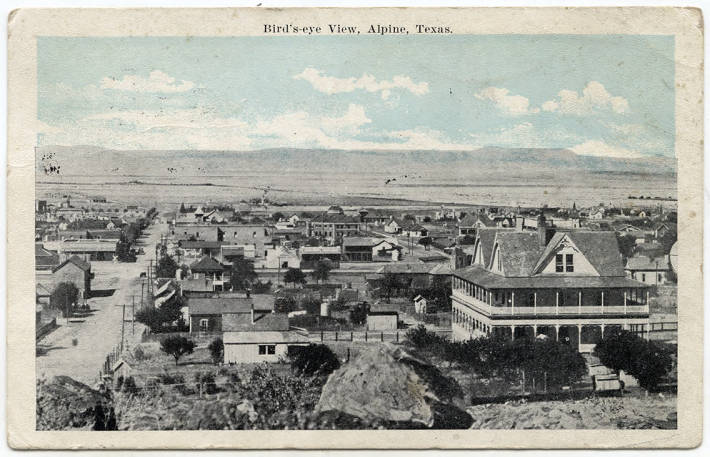
The Archives of the Big Bend at Sul Ross State University in Alpine, TX is offering in person and virtual opportunities to engage with the Archives throughout the month of October.


SOCIAL MEDIA | Instagram: SRSU Library | Twitter: SRSU Library

Throughout the month of October, Archives of the Big Bend will be highlighting various collections and collections work on the Library’s social media accounts. Specific events include:

October 10: Electronic Records Day (#ERecsDay)

October 16: Ask An Archivist Day (#AskAnArchivist)


IN PERSON | On Campus Events | Regional Event

The Archives of the Big Bend will be hosting and attending several in person events as well.

October 17 (6p-8p CT): Silent Book Club

October 19 (10a-4p MT): Border Region Archives Group (BRAG) Archives Bazaar in Las Cruces, New Mexico

October 30 (12p-2p CT): Research Roundup

If you have questions, please contact victoria.contreras@sulross.edu.

American Archives Month 2024: JM Family Enterprises Events

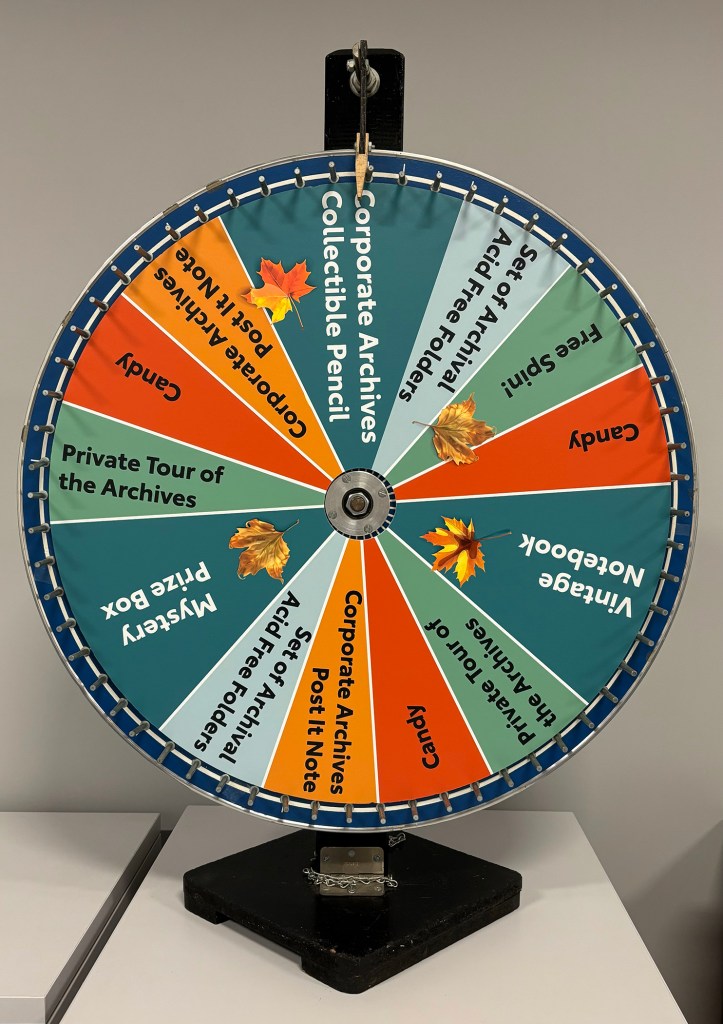
The JM Family Enterprises Archives in Deerfield Beach, FL is hosting four events throughout the month of October offering prizes and giveaways. Events will also feature an interactive exhibit and vintage virtual backgrounds pulled from the archive.

Events Schedule:

  • Wednesday, October 9, 11a-130p ET


  • Tuesday, October 15, 11a-130p ET


  • Wednesday, October 23, 11a-130p ET


  • Thursday, October 31, 11a-130p ET


If you have any questions, please contact michael.zaidman@jmfamily.com.

American Archives Month 2024: Peters Township Public Library Events

The Peters Township Public Library (PTPL) Archives in McMurray, Pennsylvania is offering exciting Archives games and events Tuesday, October 1 – Saturday, October 12.

October 1-12: Archival games and displays in the lobby of the library.

Archives Price is Right: Match the historic product or service
with its price.
Archives I Spy : I Spy sheet using historic images from the collection
Identify the Decade: Guess the decade of a variety of historic photos
Cursive Writing Challenge: Read a letter from the collection and try to answer 4 questions about it.

Special Event: Local History Trivia Night on Thursday, October 3 @ 6pm!

If you have questions, please contact nmartin@pt-library.org.

From the Vaults — Catching Pokémon: A Historically Themed Pokémon Scavenger Hunt Outreach Activity

This series celebrates all the great information that exists in ArchivesAWARE!

This post originally published on December 12, 2016, was authored by guest contributor Meredith E. Torre, Archivist at the Atlanta Housing Authority. It describes using a Pokémon scavenger hunt to celebrate American Archives month.


torre_headshot
Photo provided by Rachel Thomas.

To celebrate October’s Archives month, the Atlanta Housing Authority (AHA) Archives recently launched a historically themed Pokémon scavenger hunt. The game was designed to celebrate some of the important people who have contributed to AHA’s history.

This outreach activity was great at eliciting responsive participation, generating conversation, and demonstrating some of the papers and records the AHA Archives holds for people valuable to our history.

assortment-of-pokemon
An assortment of Pokémon cards featuring notable individuals.

The fabrication of the game was fairly simple. The game was created entirely out of paper “Pokémon” cards, with corresponding stickers (to show how rare or common that particular Pokémon was) attached to the Pokémon, and a Pokéball or scorecard. Because the game was setup like a scavenger hunt and the score card resembled a bingo card, no knowledge of the actual Pokémon game was necessary to play the game.

The Pokémon cards consisted of biographical information for persons who are a significant part of AHA’s history—Charles F. Palmer, Dr. John Hope, Harold L. Ickes, Jesse Blayton, Clark Howell, and President Roosevelt, just to name a few—and corresponding stickers. These Pokémon were posted throughout AHA’s building. The object of the game was to locate the Pokémon (the person of historical significance) and to “catch” the Pokémon by placing the corresponding sticker onto a scorecard or your Pokéball. In the actual game of Pokémon, some Pokémon are common and some are rarer than others. We printed out less Pokémon cards for those person in our history we identified as already familiar and made them “rare”. On the contrary, we printed out more Pokémon cards for those persons perhaps less familiar and placed them in more prominent places to make them “common” and to give them more exposure.


pokemon-scorecard
Pokéball Scorecard

In creating the game, there are lots of Pokémon templates online to choose from. We selected a blank card template created by artist Christian England (LevelInfinitum) on Deviant Art to create our Pokémon cards and edited the images using Pixlr. We created our scorecards as a Word document and printed an image of a Pokéball on the opposite side.

We announced the Pokémon activity and posted the rules with scorecards in centralized locations. We held the game for a period of one week. There was a lot of enthusiasm for the activity and people said in hunting for the Pokémon that they really enjoyed discovering the people who make up a part of AHA’s history and learning things about them they may have not known!

susie-labord
Completed Pokémon card created for Susie Labord, AHA’s first resident commissioner.

Pokémon themed prizes were awarded in a drawing for the hunters who collected the most Pokémon and to the hunter who collected the Legendary Pokémon, AHA’s first resident commissioner, Susie LaBord.

This outreach activity was easy to coordinate, super fun, and is also easily customizable for your institution!

RESOURCES:

Pokémon templates used in this project: http://levelinfinitum.deviantart.com/art/Pokemon-Blank-Card-Templates-Basic-474601445

Artist’s profile page: http://levelinfinitum.deviantart.com/

Pixlr Editor: https://pixlr.com/


Have you developed an innovative outreach program at your repository? If so, please share in the comments below or contact archivesaware@archivists.org to be a guest contributor to ArchivesAWARE!