This is the latest post in our series Archival Innovators, which aims to raise awareness of individuals, institutions, and collaborations that are helping to boldly chart the future of the archives profession and set new precedents for the role of archivists in society. In this installment, COPA member Angie Piccolo interviews Julia Rosenzweig, Minda Matz and Nora Waters about their work on the Lesbian Elders Oral Herstory Project (LEOHP), a project of the the Lesbian Herstory Archives.
Photo collage of participants of the Lesbian Elders Oral Herstory Project the graphic logo in the middle, credit Julia Rosenzweig
AP: Please describe the Lesbian Elders Oral Herstory Project.
Julia, Minda and Nora: The Lesbian Elders Oral Herstory Project is a project of the Lesbian Herstory Archives, a repository committed to collecting and sharing Lesbian stories. Through instructional workshops and interview guides, LEOHP facilitates intergenerational conversations that illuminate the experiences of the interviewees—their joys, challenges, and daily lives—resulting in vibrant oral history interviews. We hope that these Lesbian Elder Oral Herstories will offer experiential insight into the history of Lesbian culture and activism; complementing LHA’s already rich collection. For the purposes of our project Elders includes those 60 and up and, in addition to their life histories, we ask our interviewees to share their experiences or connection with the Lesbian Herstory Archives. This connection to LHA is the unifying theme of the Project, and could mean that they have material in the collection, have visited the space, have volunteered at LHA, they are a part of the herstory, or have used LHA materials in research, art, or writing.
The Project launched in January 2021 and is supported by a Mellon Foundation Community Archives Grant. As of the end of March 2022 we have had around 100 folks join in conversation with our Informational Sessions and there have been 25 interviews recorded so far.
AP: Where did the Lesbian Herstory Archives get the idea and what inspired them?
Julia, Minda and Nora: The Lesbian Herstory Archives was founded in the early 1970’s with the mission of preserving the records and activities of lesbian lives, and the goal of providing community access. Since its inception the Archives has been supported by a vibrant community of volunteers. With the support of donations the Archives was able to open its current home in a Brooklyn brownstone in 1994.
During the first wave of the COVID-19 pandemic in June 2020, the doors to the brownstone were closed to volunteers and visitors. The idea of an oral history project that could continue the Archives’ mission of collecting the experiences of lesbians while weathering the pandemic—especially the stories of our Elders, who were and continue to be at risk—was a driving force. With the support of the Mellon Grant we were able to focus the concept and goals of the project beyond the tangible outcomes (an oral history interview and transcript) to what we were seeking; which was to replicate the intangible outcomes that LHA supports: community, connections, and knowledge sharing. Through facilitating informational sessions that bring together both prospective volunteer interviewees and interviewers, we create the space to foster these intangible outcomes right at the start of the interview process.
AP: What challenges or obstacles has your team faced putting this project together?
Julia, Minda and Nora: The LEOHP was originally conceived as facilitating both remote and, eventually, in-person interviews. We have pivoted to fully remote due to the ongoing nature of the COVID pandemic. However, this has been a positive as it has allowed us to expand beyond traditional geographic limitations when scheduling interviews. We have had interviewers and interviewees connect and share stories from Mexico, Canada, the UK, and across the United States!
Thanks to a large number of enthusiastic volunteers we do currently have more interviewers than interviewees signed up, which limits participation and we are still seeking more Lesbian Elders to join the Project.
AP: A few of the interviews have been posted on the website. Can you describe what the initial reaction has been so far from both the public and those involved in the project?
Julia, Minda and Nora: The initial reaction from the volunteers has been positive! We are honored to be providing the space for Elders to share their herstories, and to be facilitating the intergenerational relationships that have been formed during the interview process.
Both interviewers and interviewees have expressed gratitude at the opportunity to share their stories and contribute to the collective memory of Lesbians. These interviews can become quite intimate, and the emotional labor required to share these stories have been expressed as both cathartic and taxing. We are thankful for the openness, time, and emotional energy that this requires. It is an aspect that we consider of great importance, and is the genesis of our ethos of an on-going consent approach to the interviews, as well as the participatory transcript reviews.
Despite our public-facing website showcasing the interviews, we have not yet had any direct feedback from the public.
Photograph of the front door of the Lesbian Herstory Archives’ brownstone, credit Minda Matz
We are implementing a strategy to promote awareness and more wide-spread dissemination of the interviews. We plan to hold a Community Listening event at the close of the project (the end of 2022). Depending on the mandates and health advisories, we would love to host a hybrid in-person/remote event at the Archives. This event would neatly close out the project by continuing our ethos of encouraging intergenerational dialogue and fostering community, as well as to celebrate the voices that have generously dedicated their time and Herstories to this project.
AP: Are there any plans to continue the project?
Julia, Minda and Nora: As of now the interview portion of the project is currently scheduled to wind down at the end of the two year grant period in 2022, but we are hopeful that the grant will be extended so that more voices can be included. Any interviews that are collected will become a permanent part of the LHA collection allowing the Project to live on. In addition to the interviews available on the website there will be a viewing/listening station at the Archives where visitors can immerse themselves in the interviews while being surrounded by the books, ephemera, images, and voices of those that have come before.
This is the latest entry in our Archives + Audiences series, which features the perspectives of archival audiences – scholars, journalists, filmmakers, artists, activists, and more – for whom archives have been an important part of their life and work. In this post, Tiffany Warmowski, the Chair of the History and Museum Committee with the MacMurray Foundation & Alumni Association discusses the MacMurray Archives and its new home at the Jacksonville Area Museum. MacMurray College located in Jacksonville, Illinois closed in March of 2020.
AP: Can you provide a brief history of the MacMurray College Archives, its connection with the Jacksonville Area Museum and your role as Chair of the Committee?
TW: The MacMurray College board of trustees announced the closure of the 174-year-old institution in March 2020. Within a month, a few trustees began the paperwork to form a foundation with three goals: provide scholarships, continue to engage Alumni relations and preserve the history of the college.
When I was asked in late spring 2020 to volunteer on the foundation board, I asked to help with the archives. I was one of the only local-to-Jacksonville people on the board, so they were happy to agree to that. In addition to the processed archives of the college, many staff members, while cleaning out their offices, brought items to the basement of the library to be added to the archives, even though there was no longer an archivist. I entered the scene and was met with file cabinets, boxes and spreadsheets of processed archives, and a large collection of documents and artifacts that were not yet processed (and are still not yet processed). In October of 2020, all of that was moved to the Jacksonville Area Museum, which hadn’t opened to the public yet, after an agreement was signed between the City (the museum is a city entity) and the MacMurray Foundation. The museum opened September 2021.
Moving the archives from MacMurray College to its new home at the Jacksonville Area Museum.
Before the archives were moved, I went building-to-building with another volunteer and looked for items that we felt should be added to the MacMurray Collection. We found student records from approx. 1900-1968. I quickly learned these files are federally protected. The foundation contacted the Illinois State Archives and learned best practices to protect the academic, medical and other sensitive information in these files. With the blessing of an Institutional Review Board at Illinois College, these student files are being studied by a sociology class, following best practices for protecting PII.
Besides the student records, there are board of trustee minutes going back to the very first meeting that established the college, committee meeting minutes for dozens of faculties, student and other committees, department self-studies, the entire public relations archives (press releases, photo prints, slides, negatives), yearbooks, archives specific to each college president, several college professors and scrapbooks for dozens of student organizations as well as personal student scrapbooks.
In addition, there is a Lincoln Collection of over 400 books, dozens of magazines and pamphlets, statues, framed art and other Lincoln-related items. This entire collection was donated by Rev. Lester Schriver (a college trustee) in the early 1940s.
AP: You mentioned that you weren’t originally asked to work with the archives. What prompted you to work with them?
TW: I wasn’t remotely interested in the history of MacMurray College when I was a student there from 1994 to 1998. But through the lens of its closing and the possibility of losing these amazing buildings, I realized how very interested I was. I had the opportunity to be on the board and I joined to preserve the history because there were some pretty neat things in the archives that I just didn’t want to go away.
AP: Who have you turned to for assistance?
TW: I don’t have a public history, archiving or curating background, but I do know people that have those things. One of my mentors, Dr. Claire Jerry, was a professor at MacMurray. She taught our humanities classes, and she became a good friend of mine. Now she works at the Smithsonian in DC. She has been a great resource for us.
Additionally, Samantha Sauer, the archivist and curator for Illinois College just down the street from MacMurray College, has been an amazing resource. Her student, McKenna Servis, was the Museum intern last summer and now she is the museum’s part-time manager. She’s really taught me how to discern what’s important and how to tell stories.
AP: What have been some of the challenges/barriers the project has faced?
TW: The museum is in a former Post Office that was built about 1900. Except for our most valuable and fragile items, the bulk of the archives are housed in a basement and a large main-floor room, and neither are climate controlled (although they are dry.) It’s difficult to work there right now because it’s very cold. We do most of our work in the temperature-controlled areas of the museum, but that limits what we can do because what needs to be done right now is organizing and moving and boxing things and that can only be done in the large, cold rooms. We face the challenge of not having an archivist on staff. The museum has a part-time museum manager. That person is tasked with running the museum and spending 1/2 of her time on MacMurray-related work, since the salary is split between the two organizations. We also need additional archival boxes and other materials needed to maintain the collection.
Additionally, I think this town is good at volunteering, and we have a lot of opportunities for volunteerism in our town. To be asking for yet another way for people to volunteer, I feel like people are already kind of stretched thin, especially right now.
AP: How has the Jacksonville community responded to the MacMurray College archives finding a new home?
The response has been overwhelmingly positive. People are very glad to know the history of the college is being preserved. There has been a lot of sadness and grieving for those related to the college and I believe the knowledge that not everything is lost is helpful for them.
AP: What is the most interesting part of the archival collection you have worked with?
TW: I mentioned the student records, which are protected because of the information that’s in them. We discovered from these records that MacMurray was part of a federal program that educated Japanese women who were either incarcerated during the Japanese internment tragedy or were headed there. We don’t know exactly which Japanese students came through the program or who just came at the same time during World War II, but we have some records from students who are in that program. There was a woman who entered the internment camp in Idaho with her family, and she was able to come to MacMurray to finish her education. I know that she’s not the only one, and I was happy to see that MacMurray was a shining light at that time. There’s also an article in the local newspaper about a Japanese student and a Chinese student who were roommates at MacMurray during World War II. Their countries were adversaries during the war and they got along and were able to have a peaceful friendship on campus that was recognized by the local paper and by the community.
AP: What are the plans for the MacMurray College archives after the 10 year agreement ends?
TW: I believe the plan currently is to evaluate things when the time gets closer and to perhaps do another 10 years or something longer. I would also love to find some grants for hiring somebody to digitize what we have to make it digitally available. McKenna and the volunteers are where we have to start for right now and although we don’t have a plan for getting an archivist, I absolutely see the need for one.
For now, the Museum has a MacMurray Hall that’s dedicated to the college which is full of exhibits. We’re having a gathering in lieu of what people would call homecoming this June. The people that are going to be visiting the Museum are going to be people from the 1970s through the 1990s and I would really like to have some exhibits specifically for them to see. Right now, we have the history of the College starting in 1846 until about 1975 and we have a lot of artifacts mostly from the early 1900’s. I’d like to have more current, relatable exhibits.
AP: Is there anything else you would like to mention?
TW: The MacMurray foundation is really grateful for our partnership with the city and the Jacksonville Area Museum. The Jacksonville Area Museum board has been very supportive of MacMurray and the physical space that they’ve given us. We’ve kind of taken over and we’re just grateful for the support of both the MacMurray community and the broader Jacksonville community.
MacMurray Hall in the Jacksonville Area Museum dedicated to MacMurray College.
Sometimes I look at these old pictures and read the histories of the Presidents and their wives who gave every ounce of energy and money that they had to help this College succeed. I feel like we failed them sometimes, but also this is just a natural progression of life. Things start, things are great, things are hard, and then things end sometimes. I’m trying to remember that their efforts weren’t in vain because they educated thousands of women first and then people, including me. I know a lot of people are much better off because of MacMurray.
This interview is part of the Archives + Audiences series on the ArchivesAWARE blog. The Archives + Audiences series features the perspectives of archival audiences – scholars, journalists, filmmakers, artists, activists, and more – for whom archives have been an important part of their life and work.
The ArchivesAWARE blog is ran by the Committee on Public Awareness (COPA), under the auspices of the Society of American Archivists. In this installment, Archivist and COPA Member, Rachael Cristine Woody, interviews Alexandra Horowitz and her experiences using oral histories and related archival materials as a writer, filmmaker, and producer.
Alexandra Horowitz is a writer, director, and producer based in the Washington, DC area. She founded Voices Storytelling & Media as a way to harness the power of archival material — such as oral histories, interviews, diaries, letters, and photos — to personalize history and current events. Alexandra has produced films for the Jewish Museum of Maryland, the Capital Jewish Museum in Washington DC, the Albemarle Charlottesville Historical Society, and Washington DC’s Theatre Lab. Her documentary short Reawakening was selected to screen at Jewish film festivals across the country and has been been featured in public programs at Jewish museums and organizations. A former Senior Producer at CNN International, Alexandra spent nearly ten years covering business and economics for CNN and its various networks from bureaus in New York, Washington, London, and Hong Kong. During that time, she produced full shows and individual stories, hard news and features, live and recorded broadcasts. Her writing has appeared in the Washington Post. Alexandra holds degrees from Brown University and the University of Michigan.
Interview Transcript
00:15
Alexandra thank you for being here today. Would you please take a moment to introduce yourself.
00:20
Sure, thank you so much for having me. It’s really a pleasure to be here. My name is Alexandra Horowitz, and I am the founder and executive producer of a small media content producer called Voices Storytelling and Media. I started it during the pandemic My background is as an independent filmmaker, and a television news producer.
00:48
Excellent, and I’m really looking forward to having this conversation with you. The series we’re doing this interview for us the archives and audiences. And part of what the Committee on Public Awareness is so interested in is how archives are actually used, how archivists help participate and between the archivists and collections, how they can be used in new creative ways, even if they’re not new ways like non-traditional academic ways so I’m really looking forward to hearing your answers. And my first question for you is you’ve researched written and filmed and produced media using oral histories and archival materials. So can you tell us a little bit more about your process and what goes into creating those works.
1:33
Absolutely, I’d be happy to. And I just want to say, in terms of using archives in creative ways. I love that. I mean that’s what I do and that’s what I’m trying to do with Voices Storytelling and Media is look at different ways that archives can be used creatively whether it’s podcasts or digital exhibits or film audio educational materials; I just think there’s so much potential out there. What I have done until this point has been using archives for film and I have based them on oral histories. Sometimes on one oral history, Where we’re profiling, a person, either for an event where the person is doing a public program, for example, and going through the person’s oral history and taking this hour and a half or two hour oral history, and finding, you know, sort of a five minute story in there that is relevant to whatever the story is you’re trying to tell. Right? If it’s an exhibit, what is the exhibit trying to say? If it’s a public program, what is the purpose of the person being here? Just to pull out from that long, oral history, the sort of the core story that is relevant to the event or the exhibit. And so that is one way by profiling one person. The other way I’ve done it, is to take an oral history, a collection of oral histories and find one theme through that collection so I did a film called Reawakening, which was about the Charlottesville Jewish community’s response to the unite the right rally is in August of 2017 and the oral history was not about the unite the right rallies, it was just a profile of the Jewish community of Charlottesville. So each person and I used about eight or 10 oral histories, each person had an oral history of about an hour and a half to two hours talking about their whole background – their Jewish upbringing and what brought them to Charlottesville and how they practiced and their involvement with the Jewish community and what they did professionally I mean it had 99.5% of each interview had nothing to do with the unite the right rallies, but because the unite the right rallies happened everybody spoke about it in the interview. And so, I was able working with the professor who conducted the oral history. I was able to pull out sound bites from each person and put them together in a film that looked at the response of the community to this event. So, I guess that’s the first point I want to make is that the, the oral history, don’t have to be about the specific theme that you want in the final product. Right. So, so, with both of those ways of doing it, either with looking at one oral history in depth, or looking at a theme through a collection. After that the process is kind of the same, like, I go through. I listen to them, I go through the transcripts, I find the most powerful sound bites the ones that really speak to the subject and are heartfelt and compelling. And I literally just take a highlighter and highlight all of those. And then I put them together, I look at what I have in my yellow highlights, and I put them together in a story form like what story are all of these individual soundbites telling and what kind of narrative arc can you develop from them and there usually is one, thankfully.
06:03
And after that, and I don’t write any narration, I mean I really want the work I do to be – I mean I called my company Voices — it’s meant to be the voices of the people in the oral histories, it’s not meant to be, you know, my voice kind of linking everything they have to say. And then I go through and once I have the script developed from the sound bites, I look for visual archival material, mostly photographs sometimes video. Sometimes newspaper or other printed material that can be used to illustrate what they’re talking about and sometimes that comes from libraries and collections. Sometimes it comes from the people themselves or other organizations that have been involved in whatever the subject matter is. So, that is largely the process, and it’s a very fulfilling one.
07:12
Thank you so much for sharing that. Your approach and your use of the oral histories and equipment, archival materials. In general, indicates to me at least it’s like you knew that these were available and knowing the archives and archivists can sometimes have a hard time getting the messaging out that, hey, we’re here. Please use us. I’m wondering what in your background or experiences, first introduced you to oral histories and archives.
07:48
So I will say, kind of being thrown into the fire. I had worked. I mean most of my career I worked for CNN, and when, and I had no experience with archives, but I was doing daily news and when you’re on deadline, and you need video at least, I mean I worked there a while ago, but at least at the time I worked there what you did when you needed video that you weren’t going out and shooting was you call the library and you said what do we have and they made it available to you and then you used it. So, so that was my entire experience I had no… I just didn’t think about archives. I had to do a shoot once at the National Archives, but that was, I don’t even remember the story was it wasn’t relevant to using archives. So then, okay, flash forward, many years, I took some time off stay home with my kids, I started up again as an independent producer, and I did, I produce the film that is linked to this, it’s Marian Ingram, it’s a profile of a woman who is a Holocaust survivor who came to the US in the 1950s and then worked in the civil rights movement. And I have this great oral history and I had the script, and I needed pictures, and I thought, okay, I also had a deadline, where am I going to get these pictures? And I had, I had no idea there was no library to call I was kind of at a loss as to what to do and I, I started Googling and I started hunting around and I went to the Library of Congress website I mean there’s so much online I don’t know what people did before collections were really online but now you can sit at home as we all have been doing for a long period of time and have access to enormous resources around the country and around the world. So, I just started Googling and I found material in large archives like the Library of Congress and I found material in small, you know, smaller towns and libraries and universities, and, and it was, I mean to me personally I, you know, it was just this amazing discovery that there’s so much out there that can be utilized that. That’s just amazing and I wish more people knew about.
Thank you so much for that answer, it’s I think it’s very helpful for us as archivist, to hear how people found us because it usually is, you know, it starts with a Google search or, yeah, asking that question of like this, this should exist where would it live?
10:45
Right, right, and it was largely entirely a Google search, but now, you know, now that I’m not so new to it I feel like there’s a whole network of people and there’s probably a listserv where I could say, you know, I need this. Does anyone have it and could I use it?
11:04
Thank you so much, that was a great answer, and very informative for us, too, and circling back to the archival materials for your work. You touched on this a little bit but just in case you had more to share. We’re curious about how you choose the videos and archival materials that you incorporate into your work.
11:25
Um, I think it, It starts with the stories that organizations want to tell, right? Is there an exhibit? Is there an event? Is there a film that’s being made for a classroom? And then, I think, in terms of the oral histories, the sound bites. It’s what is going to tell the story, the most powerfully, so not just the content, I mean, sometimes you just need a soundbite that says X because you have to get from point A to point B and it doesn’t make any sense if there’s not something that connects it but really what I look for is those that have the most heart, you know, like what is going to make people really feel and see another person’s story or another person’s point of view. And there’s, you know, much of the way that we have told history is now being revisited voices are being included, that have not previously been featured so prominently. And I am sure that there is just a wealth of archival material that that can be used to tell those stories and to help, you know, organizations that are revisiting their narratives and trying to add dimensions to race, gender, for example, that there has to be a wealth of material out there that can be used for that.
13:03
Could you share, like either one of your most favorite archival finds or like a fond memory you have working in the archives.
13:11
So, my favorite find is something that I thought I wasn’t going to be able to use and it was when I was doing this video, I have Marian Ingram, and she had volunteered and did some organizing for the March on Washington. And I hunting around I found this film that USIA had produced in, you know, in the 1960s afterwards and it had the MLK speech in it, but it also had people arriving and it had buses and it crowds and tents and. And it was just a godsend. And then I tried to get permission to use it and it seemed like a really complicated process and I had a deadline and I didn’t think I was gonna get it in time. So, I you know I put the paperwork in and went through the channels but then I forgot about it really because I didn’t think I was ever going to get to use it and then two days before I was set to edit, I got an email out of the blue. That said, “Yes, of course you can use it. The only thing you can’t use is the Martin Luther King sections because that’s protected by his estate, but anything else is fair game.” So, you know as it’s in the public domain so you can use it, and it was just sort of this waterfall of riches to be able to use it.
14:46
That is a great story, I’m so glad to hear that. When you’ve been working with archival materials and within archives and with archivists. Are there some examples of how the archives and those materials have helped to inspire and inform your work?
15:03
Um, yeah, they’re, I think it’s encouraged me to want to do more with archives. Because I think history is so important, and I, I just think… I love history. I hated history in school, I took as little of it as possible, but the, the parts of history that are really sort of rich and I think that that can teach the most powerfully, our photographs are hearing people’s stories. Yes, it’s not a collection of facts and sometimes it’s remembered with a point of view that sometimes is the one you want to teach and sometimes maybe isn’t but, but it’s, it’s heartfelt and it’s powerful and it’s, you know, the human experience. And so, I think that all of that is there in the archives in the way that it’s not usually in the history books, and so I just find that really encouraging and the more those archives are able to be accessed and used I think the more creatively we can teach connect to people, you know, whether it’s in museums, whether it’s in film, whether it’s in education and in classrooms. That there’s that connection through archives that there. You know there isn’t in other ways.
16:41
I love the word you chose to describe that as connection I think that is a powerful and, but yes, you know, simplistic, in its most awesome form in terms of as archivists, trying to have materials to be used and connect with communities to make sure that they are represented the I mean, so many ways that we could have more meaningful connections.
17:07
Yeah, and I think that the more archives, I mean I’ve always done it. You know from the producer and where I’m looking. I don’t know what archivist do proactively but I would say that the more that you can look around in your community, about what’s going on in classrooms and museums and public events, and see if the resources that you have. I think a lot of times people in the communities just aren’t aware of these repositories of material that, you know, that could be being used by the community. So maybe it’s up to the archives and archivists to try to connect with those people, or at least make known that the resources are available.
18:04
Yes, I think that is definitely, as, as the field which I can’t speak for everybody but my, my observation and experience has been, this has, has very much been a perpetual issue for us in how to one not only message value of collections but to make sure we’re actually connecting with the community in the way the community wants to be connected with. So, it’s definitely something I think it’s fair to say many of us are aware of and, and we are a very awkward work in progress toward better connections. But yeah, I think you hit the nail on the head with that one.
18:44
Yeah, I think, photos in particular you know I’ve gone, sometimes to the Library of Congress website just to look at photos if I needed them on a certain theme, and a photo can just say so much one photo that they can speak volumes about whatever the subject matter is, and, yeah. So, I just think for people in your communities to know what resources you have available is a really powerful thing.
19:27
Speaking of resources in use, is there an item or an area of a collection that you would like to use but like haven’t been able to find.
19:39
Um, I know you have connections. I’m not at the moment but I am so glad. Now to be in touch with this network of people that you know I certainly will turn to it in the future as needed, when things come up.
20:00
Yes, please do. We are here and we’re available so we welcome that. Great, that’s great. So, thinking about access to archives, and I know with COVID-19 obviously all of our realities have gotten a little bit more challenging. Yeah, but, but thinking about your past work, have there been any sort of barriers to access or any challenges specific to trying to reach archives or use the collections?
20:37
Um, for the most part, no. I tried to use. I mean in the past I’ve tried to use material that’s in the public domain.
20:45
And the times that I have had to get permission. It hasn’t been difficult. In fact, my experience has been more that professionals want their collections used and are very helpful in helping you use them, I had in the the film that I’ve linked there is a, there’s a visual of a burning, cross it towards the end of it, and it just all of a sudden realized I needed a burning cross and I googled it and I found these resources but I needed it soon. And so there were all these pictures online so I picked one and it was from East Carolina University and I emailed the person there and he was very nice and very accommodating and within, you know, I said “Well what do I do need to do to have permission to use this? Can I use it?” and, you know, “Is there a fee and how do I get is? Can I get a digital copy?” and all of this and I think within an hour maybe or two, I had permission I had the digital copy of the fill of the photo, and he couldn’t have been nicer and that has generally been my experience is that people are and especially I think I do. I generally work with nonprofits, and so if people know it’s for a community event. I use some news footage I know it’s not, I guess it’s archival news footage, it wasn’t that old, but for Charlottesville. And I went to the local television stations and at first they were like okay you know it’s this many $1,000 a minute of footage that you want and I said but it’s for, you know, an exhibit at a local historical societies. “Oh, okay well if it’s for that. We’ll send you our reel.” So, I think that when people know it’s, you know, you’re not trying to sell it, you’re not trying to put it on your Facebook page or, you know it’s a community. It’s for public history. Then I’ve generally found people to be very helpful and accommodating.
23:13
I’m very glad to hear that, that used to not be the case, way back in the day so I’m very glad that’s been your experience. What’s the one thing you wish the general public knew about archives?
23:26
Think I wish that the public just knew how much was there. And, and what an enormous resource it is, you know, I’ve got to think for teachers, for writers, for obviously for any kind of research, but I think people don’t necessarily know like I even working in media, for no more than a decade I, I didn’t have any idea so I think just for people to know what’s there, and how much is contained in them, you know, in one oral history. You know, you find things sometimes like a little piece of an interview that has nothing to do with bigger picture but it is sometimes the most valuable piece of that whole searches for people to realize what what’s out there. You know that, that we don’t normally see but that if you go looking, you might have to look a lot, but maybe with the help of an archivist. That it’s there.
24:39
Excellent, thank you so much for that answer, I think that that was such a great way to put it for us in terms of like that is something to focus on making sure that people know when that we exist and to just how much is there, and that we want you to use that kind of thing. Yeah. Excellent. Circling back to your work. And the the projects that you have done, what has been some of the feedback you’ve received, and general reception that kind of thing?
25:10
So generally good, but the one thing that has been consistent, is that people are always surprised that you can pull a storyline, like a five minute you can make a five minute film out of, you know, an hour and a half, two hour two and a half hour oral history or out of a collection that’s you know, 15 hours of oral history 20 hours of oral history that you can pull you can, you know, say I’m going to do this theme or I’m going to and you can pull a tight knit. Powerful story compelling story out of that. I think people in my experience tend to think, oh yeah, there’s an oral history on “X” and so it’s going to be everything about X, but when you, when you look for that one specific theme or that one specific subject that you can pull, you can pull a really compelling story that maybe has to do with the greater whole, and maybe doesn’t. But people are always surprised, in my experience to see that, you know, it’s like pulling a rabbit out of a hat.
26:31
And speaking of your work and of yourself, where can people find you online and connect with you?
26:39
So, my, my website is voicesstorytelling.com, and that has my email address on it it’s got my portfolio on it it’s got my email address on it, and more about my work on it so it’s voicesstorytelling.com.
27:07
Thank you for spelling that out and we will try our best. Right. I tracked I think so. I’m expecting it to be that hard to spell it’s not hard to spell when
27:18
I type it. But anyway, it’s voicesstorytelling.com, and the company’s Voices Storytelling and Media.
27:29
Is there anything else you’d like to share with us or anything? I didn’t ask that you would like to answer?
27:35
I would just say, I’m happy to be a resource or consultant with, if any, you know, if people have archives, archival material that they’re thinking of using, I’m happy to talk to anybody you know, not for any fee or anything, but just to a brainstorming session. Or, if somebody doesn’t have ideas but has this collection and wants to talk about how could they use it. I’m always happy to brainstorm, or do informal consulting to help give some shape and guidance if that’s helpful to anyone. Please feel free to reach out.
28:20
Thank you so much for that offer I imagine that would be particularly helpful, and I’m mentioning this for people listening not, not so much yourself, but you know, bringing in grants are seeking donor funding, sometimes connecting with an expert like yourself and even just getting like a one page. Here’s what Alexandra would do if we get the money…
28:43
Right, right, well they know I’m absolutely happy to help with that I have written grants myself I’ve received grants myself. And I am happy to give some shape and form to what you could do with your archives, if that’s helpful in anyone’s grant proposal writing.
29:02
Absolutely, yes. So, people who are watching slash reading definitely take Alexandra up on this offer. Well thank you so much for your time today, Alexandra. Is there anything else before I formally close our interview?
29:12
Um, no, I am really think very highly of archivists and archives and all that you do to preserve our history. And I know I would like to get those voices and get those materials out there. And so that’s, that’s it. I mean, please feel free to call and brainstorm or, you know, anytime I’m happy to do it and I’m so happy to be here today and to have found this connection.
This is the newest post in our There’s an Archivist for That! series, which features examples of archivists working in places you might not expect. In this article, Camri Kohler talks about her job as the Archivist for PBS Utah.
1. How did you get your gig?
While I was in grad school at the University of Utah, I worked part-time as an AV archival project assistant at the Marriott Library, specializing primarily in U-matic tapes. Then once I graduated with my MLIS, AV specialists in the library science field were pretty rare, and I was already familiar with U of U assets. PBS Utah is owned by the university, and they were hiring their first full-time archivist as I was finishing school. The archivists of the Marriott Library and I still work together all the time.
2. Tell us about your organization.
PBS Utah was originally KUED. When Brigham Young University’s PBS station went private, we became the only PBS station in the state, so we changed our name. We’ve been making wonderful nature, music, human interest, local, and historical programming since 1957 and we have wonderful weekly episodic programs like The Hinckley Report, Utah Insight, and This is Utah.
3. Can you describe your collections?
Our collections are both analog and digital, ranging from 1” reels to ProRes digital files and everything in between. We have multiple formats and instantiations for all of our programs, including Figure it Out! which are exercise videos produced in the 70’s along with an on-set pianist, and Family Circle, a panel discussing the pros and cons of women in the workplace. We also have documents, photos, and music preserved as assets to those programs.
4. What are some challenges unique to your collections?
Because Digital and AV archives are still such a new priority, the community is small. I’m not just the only AV archivist in the building, I’m the only archivist. I don’t have anyone to share the workload with, or to plan with, or innovate with. It can be a lot of pressure, particularly because few people in the production environment have a good understanding of what my job entails.
5. What is your favorite part of your job?
I love finding the fun, niche programs we made in the past! They say a lot about the times in which they were created and it’s values and interests. Making those programs accessible digitally, bringing them into the present, is so gratifying!
This interview is part of the Archival Innovators series on the ArchivesAWARE blog. The Archival Innovator series aims to raise awareness of individuals, institutions, and collaborations that are helping to boldly chart the future of the archives profession and set new precedents for the role of archivists in society.
The ArchivesAWARE blog is ran by the Committee on Public Awareness (COPA), under the auspices of the Society of American Archivists. In this installment, Archivist and COPA Member, Rachael Cristine Woody, interviews Brian Pope, Founder and Executive Director of Arc/k Project. Arc/k Project is a nonprofit organization focused on a citizen-science approach to digital cultural heritage preservation.
Interview Transcript
Rachael: Okay, thank you for joining us. I am Rachel Woody, and I work with Society of American Archivists Committee on Public Awareness, and for today we are doing an Archival Innovator interview, and I am joined by a founder of an organization that is just amazing and I’m really excited to have a conversation with him, Brian, would you please introduce yourself and your organization.
Brain: Hi, sure. A pleasure. Thank you for having us Rachel. I’m Brian Pope, I’m the founder and executive director of Arc/k Project, which is a 501C3, a nonprofit that I started to generate a citizen science approach to digital cultural heritage preservation, specifically using techniques like LiDARr and photogrammetry.
Rachael: So, for Arc/k Project and and I know you got into just a little bit of this, but I would love for you to describe specifically the role that Arc/k project plays in preserving cultural heritage, at, how do you do it, I know there’s a lot to it and so, I mean, please feel free to share and describe as you see fit.
Brian: I think that our primary role, as we’ve defined it since the founding of the organization is disrupter, just difficult obnoxious unorthodox. We try to be literally deliberately, all kidding aside, a kind of disruptor in the sense that at the time that I founded Arc/k Project, I got very much a sense that there are inadvertent gatekeeper paradigms at play in how cultural heritage is archived, how it’s accessed and who gets to be a player in, in, in, archiving, in deciding what gets archived. and I, that hit me on a personal level because I guess I’m a person who tends not to really accept any barrier or boundary that I come across, and I myself have, you know, monolithic tastes I love monolithic architecture and so on, but I cannot, and never have accepted the idea that, that is all of heritage. Heritage is the intimate, heritage is how you personally define it, and I saw a niche that needed to be filled there in terms of how we define cultural heritage, how we archive it, who gets to decide how that heritage is archived and what resources can be brought to bear for it. And whether that is considered valid science and so that’’s actually one of the things that my organization uses as its rallying call, which is the ability to generate what is, you know, casually referred to as citizen science. We absolutely believe that archiving cultural heritage can be democratized and that citizens, the average person is completely capable of both deciding and executing a cultural archive for themselves and for their culture.
Rachael: I love that you described yourself as a disrupter, and, and I very much view it as like a badge of honor that you have definitely earned, and, and just wanted to note that, you know, the series is called Archival Innovators, and I have found in my experiences that you don’t have innovation, unless you are disrupting the status quo.
Brian: Agreed, agreed. You know, we actually employ a full time archivist, Michael Conyers, I think you’re acquainted with him, and he actually inadvertently gave me one of the greatest compliments I’ve been given since we’ve been engaging in our project, he called me and you may want to bleep this, I don’t know, shit disturber. I wear that badge with honor and pride. I think we all do at Arc/k Project. And it’s not that the archival community is in any way, lacking cultural heritage community there are some fantastic people that have given their life’s work for this right, but any organization, any institution, any workflow can almost always benefit, I think, from somebody from the outside, saying, wait a minute, let’s shake this up a little bit, let’s let’s rethink this you know, for better or worse,
Rachael: Mostly for better is what I’m seeing on this.
Brian: Thank you, very gracious Thank you.
Rachael: So, while we’re still on your origin story so to speak, yes, was there a particular catalyst event that the idea came to you to create our project, what inspired it?
Brian: There was, there were a few moments that were sort of offset in time but they played off one another. I was sitting in a cafe in Paris, struggling through the print version of Le Monde, if I recall, when I came across a story about ISIS project and it was one of the earlier reports of how they were basically doing an either cash and carry or destroying strategy toward cultural heritage. Anything that they couldn’t pick up and sell for illicit trafficking on gray and black arts markets, they would blow up. And at that point, the ancient city of Palmyra was being targeted. And the reason I say two parts, then for that catalytic moment was because it reminded me of, I must have been in my early 20s then, when I remember reading about what the Taliban had perpetrated against the Bamiyan Buddhas in Afghanistan, and of course obviously as this interview is being recorded that’s incredibly timely. Once again, the Taliban has just within the last week, assumed full control at a staggering speed, that apparently nobody foresaw. No comment. And I remembered an extreme sense of hopelessness. When I had been you know, as a young man, seeing what was done against the Bamiyan Buddhas and then seeing something similar happening with ISIS and Syria, and Palmyra. And I remember simply rejecting that sense of helplessness, that sense of personal hopelessness and. And I also I will credit that moment with the realization that, look, these, these artifacts, whether they are monolithic heritage, or something much more intimate, say the recognition of the way a section of a city might change from one ethnic or demographic background to another. If we don’t track these things, we lose a sense of ourselves, and we lose a sense of both, where we come from yes, but then that makes us more vulnerable to manipulations about ideas of where we are going, and who we are. And because I was, I am a former visual effects artist who had very intimate knowledge of certain technologies that are casually used now in visual effects, I realized before I even found out that there were other organizations who had already begun doing things like this and that, in fact, there were techniques that were part of the cultural heritage community to scan heritage in 3d I realized that this was completely something in my wheelhouse, something that I could engage in, and as I began learning about other organizations that were out there doing it already, I found that there was a badly needed element that was missing, which was democratized activation of people, of citizen scientists of of heritage being recorded at every scale, not just the monolithic, not just the archeological, of, of, arguably dead cultures, but rather, living cultures, equally important, at least as important. And I determined that I would do something about it, I just didn’t want to feel helpless the way I had back when the Taliban destroyed the Bamiyan Buddhas. I didn’t want that feeling again. And in fact, the inaugural project of our project, of Arc/k Project, our very first full scale project was a crowdsourced photogrammetric digital recreation, that’s a mouthful I know, of Palmyra. And so, several of my staff of the newly formed organization, learned how to search in what I call the shutterbug cultures. The Japanese and German of websites. They’re tremendous they’re fabulous for being global tourists– shutter bugging, everything, everything, and of course also searching in Arabic and a few other languages, we cobbled together over 13,000 images of Palmyra, that had been taken over a span of, I think, eight years was the largest time period that our earliest to latest photographs, accessed, and we were able to generate a photogrammetric recreation of Palmyra, that even a scholar at the Metropolitan Museum, specialist in Near Eastern antiquities said, You know, and she had been there herself multiple times, said, this is actually the best restoration I’ve ever seen. And so we took that as our cue that we were doing something right. And, and then figured out later tried to figure out later, how that could fit into the cultural heritage community, and whether it could. And that’s something we’re actually still figuring out today.
Rachael: I still appreciate just not only the natural curiosity and the desire to problem solve, but also knowing that it was not a straight path, and, you know, trial and error and learning how to search in Arabic, like, I mean just the amount of problem solving that you did in order to find a solution that works. I think this leads nicely into my next question which is, when thinking about our project, launching it and continuing to do the work you do today, what are the barriers and challenges that you experienced initially, and maybe some that may still continue?
Brian: There are significant barriers in what we’re doing. There’s no question. Initially, I will admit that I was naive, going into what we are doing, because as a potential disruptor, of course, that means you’re going to ruffle feathers and we’ve ruffled quite a few of them. But I was surprised and and initially I was disheartened by the fact that I think a lot of our work was either sometimes it felt almost as if we had been deliberately misunderstood. There were, there are established professionals, and there are established institutions that had been engaging in cultural heritage preservation for longer than I’ve been alive. And so, here we walk in being technologically empowered, and maybe with a slight sense of naivete and and entitlement, maybe just a little. And, we weren’t always greeted with the kind of open arms that I had hoped. And, as I said naively expected. And so, that that was one barrier, but there is also the simple barrier that these technologies that we are using: LIDAR, photogrammetry, citizen science enabled consumer driven recording technologies you know because a lot of what we teach is that with the right training, even a bloody iPhone can be a recorder of heritage, and in the lack of a 100 megapixel Hasselblad. It’s perfectly it’s so much better to have any archive than none at all, particularly if you have responsible metadata reporting practices, right, so, so we came at this utilizing technologies that had previously been either unavailable to the masses or strictly used in strict ways by professionals who had been trained lifelong in certain forms of institutionally oriented heritage archiving inherited heritage preservation and heritage access which I think is also crucial right. So it’s quite right, that some of these technologies should be created with suspicion because with some data, that’s the genie out of the bottle moment. Once that data is out in the real world, well, you’re never getting that back. And so, I, I, grudgingly acknowledged that some of the suspicion and and reticence that these technologies have been greeted with is in fact appropriate, and we’ve always tried to take the position that while anyone might be engaged in data acquisition in helping to archive their, their heritage, that doesn’t necessarily mean that that data should itself then be freely accessible to anyone. Because these technologies are powerful. And data is powerful. And so we’ve, we’ve wrestled with that a little bit, we’ve wrestled with trying to gain the respect and acceptance of established heritage institutions, while at the same time, having no problem with walking right into the same conferences, right into those same same professional moments and saying, well, we’re here, get used to it, and, and, and trying to engage them in such a way that they, I think over time have grudgingly begun to accept what we do more, and I do credit our organization with being one of those, one of those very few that has pushed the envelope in getting a democratized citizen science concept of cultural heritage archiving to be more accepted, and in fact there are some stodgy organizations that I will not name that have been part of the scene for a long time that had begun sort of altering how they speak about cultural heritage about how they speak of how it can be archived, and where those data sources can originate from and I don’t mind crediting my organization with being the one to have been part of that.
Rachael: So I’m gonna go off topic for a minute here Brian and I hope you’ll indulge me. I am familiar with our projects work I have been lucky enough to be able to work with you on some projects and I know on the back end the commitment that Arc/k Project has to the standards in the field, digital preservation standards, I mean, you guys are using cutting edge technology and you’re, you’re sometimes helping people write the standards on using those technologies. But then I also want to acknowledge it and share with the larger audience here that Arc/k Project, compared to some of the other players in the field, places, I think such a great emphasis in giving agency to the culture whose heritage you’re helping to document and that whole question of who owns digital culture I think the Arc/k Project’s been a leader in that I would love to hear your thoughts on that and why you took on that mantle as important for Arc/k Project to do.
Brian: Thank you, thank you for, for seeing that Rachel, I think you’ve always been gracious about your awareness of what we’re trying to do, and you know oftentimes that means asking the hard questions, not necessarily having the answers. We hope to have the answers we hope to evolve them, but we don’t claim to, I think the questions that we’re asking are at least as important as the answers that will ultimately be derived. And, yeah, to that end, democratization was crucial, because, again, as much as I love monolithic architecture and and archeology, it’s a fact that at this point, cultural evolution and cultural change has in fact become far far more rapid and often destructive, and you might think that because we are a digital society, a digital civilization that these things are being archived. As part of that, because we communicate digitally, but that’s not necessarily the case. A tremendous amount of crucial data about how we express ourselves, how we think of ourselves, is in fact considered digital flotsam. t’s not being archived because there’s simply too much of it right. So, when we began engaging in in generating Arc/k Project and trying to figure out how we should position the organization and where we were needed the most, it became clear that there was no place yet for citizen science in digital archiving and in fact it’s still considered a little bit of a gray area. But also, it occurred to me that as much as I adore going to a huge institution, museum or a university collection, these do not represent necessarily the standards and the and the priorities, and the, the sort of most dearly held tenets of cultures, especially cultures that are impoverished, or in states of extremis. And so, two things had to happen: one was, I felt an extreme need to sort of legitimize our practices, which meant that we studied. We already knew photogrammetry from a visual effects standpoint, many of my staff members are actually former visual effects artists who, like myself, wanted to turn our craft towards something a little bit more important than Star Wars Episode One opening weekend, right, and so we, of course took those techniques that I think are some of the best in the entire field. But then we wanted to legitimize them by. So, for example, I made sure that my staff was trained by the absolute best in the academic and archival field of photogrammetry. CHI- cultural heritage imaging in San Francisco and I adore those people, even to this day we credit them all the time with teaching us the very best techniques in photogrammetry. And I think because of where we were coming from, and taught them a few things and so there’s been a beautiful exchange of knowledge there, but that also meant hiring a professional archivist, full time staff member, so that he could advise us on archival techniques that’s Michael Conyers, I don’t know if you know this. He’s the world’s most famous archivist, as he calls himself it’s it’s a running joke. I adore it.So that so that we would be coming from a position of legitimacy, but then it also meant changing things up and that’s where the disruptive part came in, which meant specifically engaging cultures that are in states of extremis. So one of the first examples of that and actually to this day, the most successful example of that, if you can talk a little bit about the Venezuelan campaign. We used to call it Viva Venezuela, and so so we partnered with a fantastic organization called IAM Venezuela, that is largely an expat organization, mostly in and around Miami for Venezuelans who’ve emigrated. And yet they maintain a really really healthy volunteer base in Venezuela, and we developed a round tripping technique and a program by which we trained them on how to shoot for photogrammetry, and how to archive the kind of metadata that we need for an authentic archive. And rather than dictate to them, except in one or two specific cases where there were specific artifacts or sites that we knew were either endangered or have been specifically requested from say museum curators, that they be archived. We allowed our volunteer base themselves to determine what they were interested in recording, and we’re so proud of that because we now, at this point, maintain for what we call the Venezuelan people we maintain for them an archive of over 400 I think we may be close to 500 sites and objects, some of which, due to their intrinsic value in materials– bronze, copper, tin, aluminum, steel– have actually been destroyed. Well, because of our volunteer base, because of the techniques that we perfected in training remotely on how to shoot for photogrammetry, while we continue to do most of the software heavy lifting on our side, we have archived these things to such a high degree of technological acuity and fidelity that at some point, when hopefully there is a more stable period in Venezuela, we will round trip that data back to them and those objects and sites, artifacts, sculptures in some cases that have been destroyed, we will actually be able to repatriate that data back to them. And, please understand, you know it’s not the belief that digital heritage replaces in any way the physical heritage and this has been one of those odd moments when we get these sort of sniping remarks, occasionally from heritage organizations or heritage professionals who seem to think that we are trying to supplant what they do when nothing is further from from the truth. These are overlapping mutually beneficial techniques. But the point in what we do is that the digital helps preserve the memory and the symbolism of an object which then makes it immortal, whereas the physical existence of an object continues its vulnerability. The two together, though, can form an impenetrable shield by which the symbolism and the importance and the cultural memory seeded into an object, whether that’s a physical object now, or a digital object or both. Over time, those things remain intact and that’s what we care about, that’s what’s important. And that’s what we’re trying to teach.So sorry I’m not even entirely sure that answers your question but I get excited about the mission.
Rachael: You know as a fellow business owner and obviously you, you run your organization it’s, you know, it can be tough, and, and it’s a bit of a hustle, sometimes, etc. And so I just want to point out that it is remarkable, I think, and laudable, you know Arc/k Project’s been around for a while now and you are passionate. It’s just, I think it’s a testament to like you’re doing what you were meant to do, because you still have so much passion and, you know, it’s just it is so palatable so like I really appreciated that answer and thank you for letting me sort of go off topic with that question.
Brian: No, not at all. Thank you. Can I also mention that, you know some of this work continues to be very difficult and heartbreaking, in the sense that we’re trying to reach communities that in some cases, let’s talk about Indigenous Indigenous cultures, let’s talk about Native American, Native Canadian cultures First Nations peoples. For example, we believe that within certain constraints, a lot of the work we do can be immensely valuable, but you’re when we try to reach out to Native American bands or tribes. Look, there is a tremendous culture there a tremendous history of trauma of deceit of betrayal and we fully recognize that we have a lot of work to do there, in understanding in not preaching to but rather learning from and we, we are absolutely dedicated regardless of whether we personally do work with these with these tribes and these, these entities that the standards that are developing in the cultural heritage community about how to work with these people is something we absolutely believe we have a clear vision toward. And we want to make sure that as 3d standards and practices and protocols and workflows and industry sometimes entire fields, developing around heritage, are developing, that they are done so with Native American voices as part of that. And with their priorities, their standards held far above anyone else’s. And we think there’s a tremendous amount of work to be done there, but it’s also heartbreaking work. There’s a lot of distrust, there’s but and our young, still young, in some ways, organization, you know has had missteps there too and we continue to, to be just absolutely dedicated to the idea that we can be of assistance in this, and you know we’re, but it’s a, it’s a long path. And we absolutely want to make sure that the digital. I call it a cultural Gold Rush, that’s taking place in some ways, right now in our society and multiple societies, not run over Native Voices, this time. And so anyway, just to say there’s a lot of work to be done there, and we don’t pretend by any means to have all the answers. But, again, I will credit us with being one of the few voices who are asking the questions that need to be asked and I will continue, we will continue that work.
Rachael: Thank you for sharing that. Sure. I know that you shared a bit about the Venezuelan project, and one of my questions was to ask about some of your example partnerships with organizations and cultural communities. Do you have any other projects that you would like to share with us?
Brian: Sure. Oh gosh, so many, but given a limited amount of time. Let’s talk about first, I mean, we’re working with a fantastic group of people, ARTIVE and the work is sort of behind the scenes with them right now. t’s largely about generating more compatible overlapping databases, because there are a lot of different organizations out there that have data which can be immensely important in curtailing illicit trafficking, especially out of the Middle East right now. And I think we’re probably about to see a huge influx of illicit trafficking of antiquities from Afghanistan as well, for reasons that that should be obvious to everyone right now. And so getting databases to be more open, more compatible. And then once compatibility is established, to then get those databases into the hands of not just import export authorities, organizations like that, but rather to generate destruction of plausible deniability right so we’re talking about auction houses, antiques dealers, private collectors. We want to absolutely end plausible deniability in ignorance, that when you are trafficking in an object, don’t know exactly what you’re doing right so the first step of that we believe and ARTIVE has been amazing working with them so far we want to generate that that overlapping database. But at the same time it’s been a long time with COVID, and we’ve just been dying to get back in the field, and, at long last, I think we have an interim project that we can execute outdoors, which we’re very excited about in Miami. And so, a partnership with some of the people who originally were part of IAM Venezuela. Actually, we’re working with them to generate the kind of living map of the murals which are now this incredible journal of the cultural life of Miami. Miami has become one of those cities that has a world culture, people coming from so many places, especially in the Latin world, of course, and murals are one of the beautiful, beautiful canvases by which this culture is literally painted, but because these canvases are the sides of buildings, buildings, the sides of privately owned businesses, there is no framework by which these are necessarily perpetually kept and held dear, and without warning, a given mural can disappear overnight as an, as a new artist paints atop, you know this, given an incredible public canvas. And so the idea is we’ll actually be executing this in the in the next several months, a volunteer base campaign so we will be training once again just like the IAM Venezuela campaign, we will be training people on the ground, how to take the photographic and drone based images, gathering data about the cultural importance of a given mural at a given location, the names of the artists, why they why they painted, hopefully even including interviews of those artists. But accepting the fact that these murals are non permanent, we will be constantly updating this living city map almost to kind of a living palimpsest of culture so that through a digital, let’s say maybe an iPhone or iPad based app or a mobile app, you’ll be able to access at any given moment, years of different murals, at a given location. So, even though the mural itself may cease to exist, the memory, the cultural importance and the lineage, because many of these murals actually bounce off one another right so you end up with a living memory of culture that is digitally held, but physically dispersed, and so it’s both in the physical and in the digital at once, and we just think that’s immensely exciting because culture, then stacks vertically over time and horizontally over over access, and neither destroys the other, I just think it’s going to be a fascinating model for heritage preservation that will actually transcend, just the format of murals. It’s super exciting and we’re using state of the art technology and volunteers and enthusiasts to engage in it and so it just hits all the buttons of what we care about. And so please stay tuned. I hope you’ll have me back actually when we, when we begin executing that project, and also I will mention that we’re not private about these things. Whenever we generate a model for interactivity and volunteer activation that works, we want to talk about that model so that other organizations can copy it as well. It would be nice if we get a credit here and there but yeah, hey, whatever you can do, whatever you can do. But the idea being that we want these models of heritage preservation to be proselytized.
Rachael: Yeah, I have to say and I know you touched on this in some of your answers, the, the way the Arc/k Project, how you created it and how you and your team have chosen to conduct yourselves and make those ethical decisions. I think we’re now sort of belatedly seeing in the historian and archives fields that that, that belated reckoning of the historical record being so incomplete and inaccessible to so many, so I think that’s all to say that, that you saw that early on, and the work that you’re doing, the practices you’re establishing are something that both the archives and historian fields could certainly use at this point.
Brian: Thank you. We actually like to think of our work as dissolving the boundaries between archives and exhibitions, so that they almost become undefinably together fused.
Rachael: Yes that’s my personal opinion, everything should be together. Yeah, no silos. Brian: Exactly, no silos, I love that. I love that. Rachael: Yeah. Wonderful. Well I think my next question for you, I know we’ve touched on a couple examples of this, but in your own words I would love to hear you describe the importance and urgency of capturing the you know the digital tapestry of these different cultural heritage sites.
Brian: I do believe there is. On some days it’s almost difficult not to have a sense of panic about how rapidly some cultures are changing, about how little is being done to archive them, particularly on the intimate, well, you know, it’s, it’s, it’s been a source of bitter irony, sometimes for me when I see how much academics of ancient arguably extinct cultures, will spend on understanding a piece of garbage from say Pompeii, and yet we do so little to archive the personal and the Internet and the small scale and the low brow, or, or simply low finance aspects of human existence. Now, in cultures that, particularly because they are say perhaps poverty stricken, or in states of political and social extremis are rapidly evolving, and those stresses that those cultures are going through, then generate a level of creativity and adaptability, and flexibility that is a real credit to human creativity and human adaptability, and those are the moments that are desperately in need of being archived, and of being valued. And, yeah, some days it’s hard not to have a sense of panic about it. You know, I, if we had the funding I’d be sending cameras and recorders, everywhere, particularly with languages right so due to an involvement with a very good friend of mine Lena Herzog and her fantastic work in what’s called The Last Whispers projects. I gained a new sort of sensitivity to what’s happening with language extinction. And, you know, Arc/k Project can only be spread so thin, but it was interesting to discover through the connections that Lena very graciously made available some fantastic people. A linguistic Institute, running out of, out of London for a while I think now out of Berlin. The idea that much language archiving is actually not done with a physical or visual aspect. And yet, if you’re talking about archiving a language in say a material culture, that is very much, say, a sustenance, culture, a developing culture right, the language and the material expression of that culture are so tightly bound, the idea that you would archive the language and the grammar without archiving the material expression of the culture seems insane to me. And so I don’t know that that’s maybe one of our next disrupter moments, you know, but, but, again, we want to make those tools available, and we’ve begun working with some in the field linguist archivist to try to help generate a material aspect to how they archive the grammar and vocabulary of languages, and there’s so much work to be done, it’s just where do you where do you begin, you know, yes.
Rachael: Yeah, I can, I can very much imagine and empathize with the, the feeling of urgency to the point of panic. And yet, I mean you only have so much time. We have yet to access at least for daily people cloning technology, for yourselves so, right. Yeah, I can only imagine it must be very difficult to have to prioritize.
Brian: It absolutely is. It’s, it’s painful, and it’s, it’s something that we almost refuse to do in the sense that we’re simply all about proselytizing the tools. We’re actually speaking, I think it’s okay to talk about this at a very early stage, an academic model, through which various grad student programs in various colleges might work with say the parks services to generate a data acquisition model to monitor, especially built heritage, out in the field. You know in in parks in areas that can always be policed against vandalism, let alone, natural wear and tear. We want to generate models by which citizens, volunteers, engaged local heritage organizations, even just children, they can be immensely powerful as data acquisition tools. And those are the models that we are working on so that we won’t have to prioritize, and I’ll keep you abreast on any successes.
Rachael: Yes, please do. Related to thinking about Arc/k Project and the evolution of the projects that you’ve done, and the partnerships and the standards and tools that you’re proselytizing, I would love to hear your perspective on when you were thinking about the process of creating Arc/k Project and, and the years since then, there some lessons learned that you could share with us or anything that was surprising to you that came up that, you know, when thinking of fellow innovators what could be helpful for them?
Brian: Oh, so many lessons learned. Yeah, some positive some negative, not to take no for an answer, is a great one to begin with. Also, the use of tools, the choice of tools. I recall very, very clearly, that when the hurricane that decimated Puerto Rico happened, e found it very difficult to bridge between established heritage professionals, very well meaning, and the tools that would be on the ground in Puerto Rico at that time to do emergency heritage archiving, because even, even, actually, many of the museums and larger cultural institutions in Puerto Rico did survive the hurricane itself structurally, but then without power, in the humidity and heat, many structures became unfortunately biohazards due to black mold and things like that, right, and there was, it was shocking it was it was a real lesson learned that there was no immediate way to bridge between the tools that established cultural heritage institutions use and a place like Puerto Rico. There was no common bridge whatsoever, and especially as a young organization which does not have any clearance to be say a first responder or a second responder yet, it was immensely frustrating. We think that those are bridges that desperately still need to be built. And, and we’re always open to try to enter into discussions and so on. Another lesson learned is that in order to do what we do at the level that we insist on doing it, we had to accept that, unlike what many cultural heritage professionals would prefer, we use commercially available software. We have actually, we have zero loyalty to any software package, I will say that, and we migrated from one to the other to the other and finally settled on, we actually currently use Reality Capture, I do, absolutely I can absolutely attest that it is the best software available for photogrammetry. Now whether that will continue to be the case right now we’re, we’re sort of watching and waiting and listening for clues as to what the new owners of that software package plan on on doing with it, and it has been one of the points of criticism and argument between heritage organizations- should we be using open source software for this? And we, the lesson to be learned and the philosophy that we developed from that is simply based on actually some of the original philosophies that CHI helped teach us with, which is the idea that the 3D model that you can access, you can work with, you can directly experience, while incredibly valuable, is not the archive. The archive is the metadata, the archive is the photographic data and those are mature data collection channels, and that’s the archive, that’s what matters. The 3D model is simply how you access that archive right so that was a lesson learned, that frees us up to do to continue to do the work that we hold dear and to do it at a rate and a level of fidelity that nobody else can can equal, and it will continue to be something that we watch very closely, maybe a few years from now. Open source software will be of such a, such a level of fidelity, and speed because sorry but speed does matter, in this case because there’s so much to be done, and the ability to round trip to a given volunteer in a remote location what is missing what is was incorrect or insufficient or incorrectly done for a given 3D archive, that, that ability to rapidly round trip is crucial in developing volunteer techniques. So who knows maybe in a few years open source software will be the way to go but right now we continue to proselytize that commercially available software is the way to go. And in fact, that particular software package may in fact become free as part of the new owners Epic Games and, and what they want to do with it. We would love to hear from them, some, some pronouncements about their commitment to cultural heritage functions for that software and its, its rightful that it might make some heritage professionals, and heritage institutions nervous. The proximity between the software that archives the heritage and the software that puts it in a game. And so that’s a dangerous moment, and, and. So the lesson learned there is simply to be vigilant, and to keep, keep, keep keep watch. But I think we’ve also learned that there are so many overlapping organizations and interests out there that you can’t spend too much effort, you can’t spend too much effort, too much time building bridges with other organizations, because at one point I became impatient. I’ll admit it with cultural heritage gatekeepers who seemed more interested in deliberately misunderstanding and and taking issue with the digital as if the digital were trying to replace the physical, I became really really impatient with philosophies like that and with with knee jerk, frankly silly responses like that. And we had work to do. And I just said, You know what, enough, we’re busy, I don’t need your approval. And I don’t want it anymore, right. So, I think it’s time to start trying to, okay, come around, come full circle and let’s see if now we can speak a little bit less shrill than before about these about these issues and build bridges so that we can keep everybody responsible and accountable, and absolutely cutting edge.
Rachael: I would love to hear from you, why are archives important in your own words?
Brian: Archives are important because, ou know, regardless at how accessible they are, and access is important, it’s crucial, it’s the memory of who we were and I do not believe that if you forget who you were, that you can responsibly, and accountably and safely not who you want to become. I, I look at what’s happening in Venezuela right now and I look at how cultural memory is being erased, not because of, say, religious extremism, as will probably happen and has been happening in parts of the Middle East, with the takeover of Islam, the extremis, created by civil war in Syria and now the Taliban consumption of Afghanistan and what’s about to happen with Sharia law But it doesn’t have to be anything so deliberate, it can be simply the forces of modernity, or, or economy international financeshen I look at what’s happening in Venezuela, and I look at sculptures being cut up overnight statues like monolithic scale statues being vivisected a piece at a time, over a week, and melted down for their constituent medals. I don’t see it as a loss of history, I see it as a loss of direction. And when I look at Venezuela,I think about Chinese development loans, and American oil companies, and international fast foods, and all the things that will seed themselves and redirect Venezuelan culture, the moment that they have that capability, and that I think is what we’re fighting against and that’s why archives and especially making archives, not just having them but making them more accessible, making them more vivid and engaging. That’s not just entertainment. That’s, that’s, that’s getting them into the hearts and minds of people so that they maintain a sense of themselves that can be resistant, that is sufficient to resist the forces of fast foods and quick easy loans, and American oil interests, right. That’s right, that’s so crucial. If you forget who you were, I don’t think you have a chance of deciding who you will become. And, and that’s, that’s what we’re all about. That’s what, that’s what heritage preservation has to be about, as well as its purely scientific validity on, it has to it has to be strong enough to carry both missions at once, I believe.
Rachael: I have just one last question on my part Brian, and that’s what’s next for Arc/k Project.
Brian: Oh wow, okay. So, so many things, so many, so many irons in the fire at any given moment. I did describe the Miami Project, the murals archiving project so that’s in our immediate future. We’re also looking at engaging in some software development applications. It has long occurred to me that a, I don’t know if you’re familiar with, sort of distributed computational platforms, like the way I pronounce it is simply BOINC, B-O-I-N-C. It’s a, it’s a globalized distributed processing framework by which the average computer user can donate spare processor cycles to very worthy projects like SETI, the Search for Extraterrestrial Intelligence, which spent decades, analyzing radio data from Arecibo and other radio antennas, as well as more modern functions very much present functions like folding proteins, pharmaceutical design, weather modeling, etc. I would love to see Arc/k’s efforts go toward a distributed software processing platform that would allow all of the world’s spare processor cycles to be engaged in computing 3d solves for endangered heritage. So that’s something we’re always looking at. One other thing that I’m really excited about we just inaugurated is an Advisors Council, within Arc/k Project and two of the first gentlemen to join our advisory council. are ur gentlemen who have been involved in cultural heritage scanning for decades actually, and one of them was even involved in developing the techniques by which the Dead Sea Scrolls were scanned and sort of unfolded digitally. And we’re incredibly proud to have Eric Doehne and Greg Bearman on our advisory council. As we again try to sort of deepen our scientific roots, even as we become more and more unorthodox about how we engage volunteers. And so that’s happening at both ends. Very, very excited about that. And, in fact they are helping us design a program by which we will engage various colleges and graduate programs with using volunteer accessed data from the field to do cultural heritage archiving and translation programs.
Rachael: So, just a couple projects.
Brian: Yeah, just a few things here and there, while still trying to figure out how to fund ourselves. Right now we continue to be entirely privately funded. We have gotten a few small grants. We’re continuing to reach out into the granting world, but we’re also doing that with a certain amount of skepticism. We’ve been well trained by granting professionals, you yourself actually early on in our organization’s genesis, helped us learn how to navigate the kind of landmine minefield of what’s out there so that one can access grants but one has to be careful not to allow one’s mission to be decentralized or deterred. Because grants, while a beautiful source of funding, can also eat your organization if you’re not careful right so we continue to hold granting at somewhat arm’s length, we’re hoping over time, that we’ll develop that as a better arm for funding the organization, but we’ve also not wanted to have too many external influences when it comes to granting. And we’ve been lucky in that we’ve had a few private donors who’ve been extremely generous, that have allowed us to plot our path without having to owe too much to worry about where that money came from. So we’ve continued to be self directing and and self empowering, in that, and I’m incredibly grateful for that.
Rachael: Well Brian, is there anything that I didn’t ask you that I should have or anything that you would like to share with us before I let you go?
Brian: I would just like to share that, I think there is a genesis happening, there’s something new happening in an awareness of what we do. I think it’s an exciting time that we don’t actually have to spend 20 minutes now explaining to the average lay person, the technology that’s behind us. That itself has been amazingly liberating making this a really really exciting time to see how the culture and technology are intertwining to make our job easier and easier in some ways, and I will also say that thanks to people like you and thanks to organizations like SAA, we are finding it easier to get the word out there.e don’t have to fight so hard to have a sense of legitimacy in what we’re doing and I absolutely credit you and the archivist organization in being part of that. It’s getting easier and easier to sell what we do. And now we don’t have to worry so much about basic arguments of legitimacy.ow we can start working on creating synergy and creating ethics and protocols by which everyone should be abiding, to really, really make something stellar happen with the fusion of these technologies and these interests over the next five or 10 years. I think it’s going to be a super exciting time, and we have people and organizations like yours to thank for them.
Rachael: Thank you so much, Brian, I really appreciate your time and, and you sharing so much about our project with us, and we’ll go ahead and conclude the formal recording of this interview.
Brian: Very well, thank you so much for having us.
This is the latest post in our series Archival Innovators, which aims to raise awareness of individuals, institutions, and collaborations that are helping to boldly chart the future of the archives profession and set new precedents for the role of archivists in society.
In this installment, Archivist and COPA Early Career Member, Kristi Chanda, interviews Mary Kidd. Mary Kidd currently works in the Preservation and Collections Processing Department at the New York Library as their Systems and Operations Manager. She also served as a Project Lead for a two year grant based project called Preserve This Podcast!, which worked to teach preservation skills to independent, individual producers.
KC: What is Preserve This Podcast! and how did it originate?
MK: Preserve This Podcast was a two year grant funded project. It ran for a finite period of time, from January 2018 to January 2020. Thankfully, it ended right before CoVid and lockdowns hit North America, so good timing on our part. Its primary purpose was to teach independent or “indie” podcasters (that is, podcasters working out of their home as opposed to for a radio station or a media corporation) about digital preservation, especially in terms of preserving digital podcast files and everything else that makes a podcast. So that, in short, was Preserve This Podcast.
In terms of how it originated, a few years ago, back in 2016, I was working at the New York Public Radio archives. I was part of a National Digital Stewardship Residency cohort that year, and I was paired with NYPR on a project where I was looking at all of their born-digital output and documenting the flow from the point at which someone created something to be broadcast up to the point where it was placed into long-term storage.
As part of my program, I was attending a bunch of conferences and one of them was the Radio Preservation Task Force conference. This was the first conference of its kind addressing radio preservation so it was pretty exciting for me to go. It was being held at the Library of Congress that year so I traveled out to Washington D.C. By chance, I met Dana Gerber-Margie who was one of the co-leads on Preserve This Podcast. She was working at the time at the Wisconsin Historical Society on an oral history project. We had a lot to talk about, since we each had a foot in archives and another in audio-visual preservation. Fast-forward a year later, she contacted me and a few other people and asked us if we wanted to be part of hosting a workshop at the Personal Digital Archiving Conference (PDA). It was being held that year at Stanford University in Palo Alto. She wanted to facilitate a workshop around podcast preservation. That was the first I’d ever heard of this concept of podcast preservation, so you could say PTP originated from Dana’s brilliant mind. I agreed to do it and it was a lot of fun. The workshop was geared towards indie podcasters, but we were primarily talking to archivists because this was an archivist’s conference. So we were preaching to the choir a little bit. Fast forward another year, I was contacted by Molly Schwartz, who was working as the studio manager at the New York Metropolitan Library Council, also known as METROfor short. She was working on a podcast called Library Bytegeist, which is a really great podcast about librarians and archivists working in New York City. So, a super fun podcast for people interested in that kind of stuff. She contacted me and said, hey, I heard that you hosted this workshop on podcasts preservation and I think that’s a really good idea. Why don’t we apply for a grant? So, Molly, Dana and myself started meeting over the summer of 2017 and eventually we were put in contact with the Mellon Foundation. They were really receptive to our idea. By January 2018 we launched the project and hit the ground running. So that’s the story of Preserve This Podcast.
KC: Why is this organization significant in the podcasting/archiving community?
MK: I think most podcasters, unless they work for a radio station or media company with an archive, are not always thinking about long-term preservation. The point of Preserve This Podcast was to produce a suite of free tools for people to get them thinking about it. One of those tools was a five part teaching podcast called the Preserve This Podcast podcast that spoke directly to indie podcasters to make them aware of the problems plaguing digital files, and here are the reasons why you should take time out of your day to take certain steps towards preserving your content. Indie podcasters’ digital content is at more risk than big box podcasts like This American Life. That is because indie podcasters are likely time and resource-strapped. They don’t have a lot of cash. They are working by themselves or on a small team kind of outside of a day job or raising families. They don’t necessarily have the resources to take on a preservation plan and as any person in our field knows, preservation always takes time and resources. So I think it was important that we put out this suite of tools for people to make it easier for them to learn a new skill. Our podcast is a really fun listen with high production quality. We worked with a team of people to produce this podcast, including an editor, and a soundtrack. We really wanted to speak to podcasters in the language that they’re most familiar with, in order to bring the message of preservation to them.
In terms of PTP’s importance for archivists, potentially an archivist listening to our podcast or encountering our work may also be the first time for them to consider podcast preservation. Not a lot of institutions have a podcast collecting policy or focus on podcasts as part of what they acquire. Some institutions do, but by and large you just don’t hear about podcast collecting. I think, in part, it’s because it’s contemporary to us, it’s here now, and so there’s kind of this notion that it’s just like here and it’ll be around for a while. One example that we talked about at librarian and archivist conferences is concrete proof that some of the earliest podcasts produced 20 years ago have already disappeared. So this is something that you all should pay attention to and not take for granted the fact that this is a popular medium now, but you could say the same thing for VHS tapes thirty years ago. So that’s what we brought to the table for archivists and people working in preservation, nudging them and saying, this is something to look at and this is something important that you should consider for your collection development or preservation policies.
KC: What were the challenges that you had to overcome while working on the project?
MK: I think our greatest challenge was convincing people of the problem. We really did our due diligence in a lot of ways and did a lot of research to prove that podcasts have already disappeared or were at-risk. One of the first things that we did was we worked with a data analyst, Jacob Kramer-Duffield, who helped us to design a survey that we distributed out to podcasters. We took the results of that survey and we were able to qualify the fact that a lot of indie podcasters have not thought about preservation or put a preservation plan in place, compared to their non-indie peers. Through this survey we were able to support our hypothesis that indie podcasts are at risk. In addition to the survey, we also looked at a collection of some of the very first podcasts ever made, called 2005 Podcast Core Collection, hosted on the Internet Archive. The person who compiled this collection was Jason Scott, who works at the Internet Archive now and back in 2005 he wrote this script that crawled a directory of podcasts that existed at the time. For each podcast, the script would scrape the audio and any RSS XML data. This script ran for about two years. One of the things that we had podcasters do when they attended one of our workshops was to call up this collection, choose a podcast at random, and then try and see if they could find it listed in Apple Podcasts or by performing a web browser search. By and large, for most of these podcasts, you could not find them.This exercise was a concrete example showing that podcasts made only 20 years ago have disappeared. I’m sure a lot of these original creators never expected that their podcasts would just disappear. Giving podcasters this example really hit home, and I think it spoke to people on the urgency behind podcast preservation.
KC: What did you hope your audience will gain from attending the workshops and conferences?
MK: We really wanted people to walk our of workshops with some sort of plan. At the end of our workshops we would say, okay, given what you’ve learned about things like metadata, backup plans, and file and folder organization, what are some steps that you can take today? Even as that’s like, I have a no open container of coffee rule at my desk, that was fine. Then what can you do in the next week, month, six months, and try and see if you can also incorporate these steps into your podcast production workflow, because I think that was the key to making sure that people would go home and actually take these steps. If you don’t incorporate it into sort of your everyday workflow it will probably fall to the wayside. So one of the things that we wanted them to walk away from you know from our workshops is an idea of how they can incorporate preservation into producing a podcast. We tried to incentivize them. One of the things that Dana pointed out was that, more often than not, podcasters will get some sort of request. NPR will email a podcaster, and say, “Hey, we’re really interested in using this 30-second from your podcast episode from three years ago into our news segment, can you send us a file by the end of today?” If you have a file and folder organization plan in place — which is something we taught at our workshops — with , you are more likely to find the file really quickly. If you don’t, then you’re scrambling. The lesson here is that file and folder management is not just something you do for preservation, but it can also help monetize your podcast.
In terms of what we wanted archivists and librarians to learn from us, we wanted them to understand the technical aspects of podcasts that make them unique assets. We especially wanted to drive home the point that podcasts are not just digital audio files. There may be an mp3 file, as well as unedited raw audio, a soundtrack, transcription metadata, and release forms which can affect things like rights metadata. You may also have an accompanying website, which is also a rich trove of descriptive metadata or even artwork and branding. There is also the RSS XML metadata, which is like a really rich source of standardized metadata, which you can use to your advantage to automate incorporate into existing preservation workflows.
KC: Are there any plans/goals set for the future?
MK: Preserve This Podcast lives on in a number of ways. A few of us have been asked to guest lecture classes and teach workshops post-grant. An exciting and new development is an upcoming NEH grant-funded project, Open Sources: Training Communities of Practice for Complex Born-Digital Collections, which will be spearheaded by Myriad Consulting. This project will see the “development and implementation of curricula, resources, workshops, and community events tailored to smaller cultural heritage institutions focused on preservation of and access to born-digital materials”. The formation of this project took some inspiration from Preserve This Podcast, and will be using a teaching zine to teach digital preservation concepts. So although it’s not a project aimed specifically at preserving podcasts, it still captures the spirit of supporting staff and other individuals working for smaller or under-resourced cultural heritage institutions. I will be taking on a consultant role for this grant, and will be taking what I learned through the course of PTP to this project.
This is the newest post in our There’s an Archivist for That! series, which features examples of archivists working in places you might not expect. In this article, Andrew Weymouth talk about his work with the Washington State Fair.
Please tell us a little about yourself
My name is Andrew Weymouth and I am currently in the final year of my MLIS degree at the University of Washington. I work as the Digital Pedagogy Specialist for the University of Oregon’s DREAMLab, where I am currently building an online curricular toolkit for faculty and students to learn about digital scholarship services. I am also excited to begin working as an archivist for the Murray Morgan Papers with the Tacoma Public Library’s Northwest Room, whom I have been busy collaborating with throughout the fall on a Visual Resources Association Foundation grant in order to assess, digitize and promote the incredible Richards Collection. Finally, I am working as research assistant for Hannah Palin and Annie Dwyer at the University of Washington’s Moving Image Archive and Comparative History of Ideas departments, respectively. I come from a background in design, writing and radio and I decided three years ago to move up from Oregon to Tacoma, WA in order to finish my higher education and apply some of those skills towards archiving, instructional design and digital exhibit making.
How did you get into archives?
I have always had a pretty compulsive interest in history but my first real interaction with archives would be through working on a Portland, OR based radio show called 100 Tacks for the community radio stalwart, KBOO. I wrote and produced the show, which focused on the industrial, agricultural and social history of Oregon and found myself frequently visiting the Multnomah County Archives to inform the work, so much so that some librarians and archivists there eventually became interviewees and contributors to the program over time. While professional obligations eventually pulled
me away from this project, I have remained in contact with archives across the Pacific Northwest and I have been lucky enough to gain experience with a wide variety of materials, formats and subjects.
How did you get the position as the Assistant Archivist at the Washington State Fair (WSF)? I applied for the position through a posting on Archives Gig in the Spring of 2020. Although I didn’t have any contacts in the organization, I think my background in design was of interest to the WSF graphic designer Patty Herman, who I would later work under.
Strange enough, I was able to bring my experience creating the radio show into the interview process. One of the larger projects I wrote and produced was on the story of a twenty foot tall, animatronic bear made out of prunes which was created for the 1905 Lewis and Clark Exposition in Portland. The whole creation was in service of promoting the Oregon prune, which, at that point, was attempting to unseat the California raisin, and we know how that panned out. This interest in fairs, local history and agriculture may have also helped me secure the position.
Tell us about the Washington State Fair
The Washington State Fair, previously known as the Puyallup Fair for the Tacoma suburb where the grounds are located, has been operating in one form or another since 1900. The fair has always been focused primarily on agriculture and livestock, holding popular competitions on mainstays like produce weighing and judging everything from horses to rabbits. There has also been a consistent feature on folk art, canning, lumber and horse racing which people regularly travel across Washington to participate in.
Because I was so new to Tacoma when I started working with the WSF, I was completely unfamiliar with the fairground’s use as a Japanese American internment site during WWII. Known technically as the The Puyallup Assembly Center or euphemistically as Camp Harmony, the fairgrounds were intended as a temporary holding place for Japanese Americans before being transferred to larger, more remote internment camps in Idaho, California and Wyoming. That said, poor planning and extended confinement led to dangerous and unsanitary conditions for the over 7,000 Washington State citizens retained there over time.
Could you describe your collections?
Although there were initially plans to process some moving image records, I only had a chance to work with the visual collections during my time with the WSF. For the most part, the subject matter for the collections was amazingly consistent from 1920 to 1980. Every year had jam and needlework competitions, petting zoos with intrigued/ terrified children, fireworks, pie eating and every imaginable variety of clown.
What are some of the challenges unique to your collections?
As I mentioned above, I began working with the WSF just as the pandemic was graduating from a concern to a real threat. I was able to work with the institution for a few productive months by picking up materials and working on them remotely, but it ultimately became a logistical impossibility as everyone began to realize that the fair was not going to take place that year. Like many working with archives during this time, I was furloughed from the position not very long after beginning to work on the collection. That said, I was able to attend the 2020 SAA conference almost immediately afterwards, and it was incredibly beneficial to connect with others in the field, as so many of us struggled to stay afloat during this historic moment.
What is the favorite part of your job?
I am fascinated by nineteenth and twentieth century fairs, expositions and lyceums. These events merge community, industry, agriculture, politics and religion and reveal incredible insights into a community’s shared values, fears and aspirations.
What advice do you have for aspiring archivists?
One kind of silly hurdle which kept me from pursuing my MLIS degree for too long were negative experiences with institutional gatekeepers who over-emphasized the technical aspects of library science. While I am currently developing my skills around web design and coding, and will continue to in the future, I am fully aware that these skills will never be my strongest assets that I can lend to future projects, and that’s ok!
If anyone reading this also comes from more of a storytelling background, there is still absolutely a place for you in archiving. You will still have to struggle though learning these platforms which may be completely second nature to others, and you may be the least proficient person with these tools during future meetings. This is all in service of being able to clearly communicate your digital storytelling, UX and instructional design concepts with more technically minded collaborators in order to create the best possible work for your archive.
This is the latest post in our series Archival Innovators, which aims to raise awareness of individuals, institutions, and collaborations that are helping to boldly chart the future of the archives profession and set new precedents for the role of archivists in society.
In this installment, Archivist and COPA Early Career Member, Kristi Chanda, interviews Stuart Hinds. Stuart Hinds is a Curator of Special Collections & Archives at University of Missouri-Kansas City. Hinds discusses the exhibit “Making History: Kansas City and the Rise of Gay Rights” that was built by students at the University of Missouri-Kansas City’s public history program. It documents the rise of gay and lesbian activist community groups before the Stonewall riots.
KC: What are the main aspects to your exhibit “Making History: Kansas City and the Rise of Gay Rights?” What was the process like creating it and who are the main figures involved?
SH: The exhibit tells the story of gay and lesbian activism, both in Kansas City and in the US, in the 1960s before Stonewall, during the Homophile Movement, as it was called. The main thrust of the exhibit is to uncover Kansas City’s surprisingly pivotal role in that movement. The first gathering of gay and lesbian civil rights leaders from across the country, took place in Kansas City in February of ‘66. Out of that meeting comes the formation of umbrella groups for all these different, discrete advocacy and activist organizations across the country. As a part of that umbrella group there is the formation of an information clearinghouse. It was based in Kansas City because the folks here had access to a printing press. So, they would print and distribute the newsletters, the promotional material from a lot of different groups across the country. The exhibit focuses on those efforts, and the formation and activities of Kansas City’s first advocacy group which happened a month after that national meeting. In March of ‘66 the Phoenix Society for Individual Freedom was founded, and they were really active locally. What kicked off the exhibit was the fact that I worked with a committee made up of community members to install a historic marker in downtown Kansas City commemorating the 50th anniversary of that civil rights meeting, and it was put in place across the street from where the hotel used to be. At the same time I worked with a public history faculty member here on campus and his Intro to Public History class developed the exhibit in conjunction with the installation of the marker to sort of flesh out the story that the exhibit tells or that the marker commemorates. It was a class-based exhibit that was a semester-long project, and then I worked with the faculty member and a graduate student who designed the final product. We sort of tightened up the writing and did transitions between panels and all that kind of stuff, and then we got some grant money to fabricate a local version of the exhibit and then a touring version. It went on display locally, in the spring of 2017. The touring version has gone across the Kansas City region and several places in Kansas since then. The process was interesting because it was a class exhibit and I know most of the students weren’t from the LGBTQ community, so they wanted to make sure that they got the story right from the perspective of that community. They interviewed a couple of different folks who were on the committee that worked on the marker. We had a panel discussion with the class, and then reviewed the drafts of their panels. The main figures that are involved in the narrative of the exhibit include prominent national activists, like Frank Kameny, Barbara Gittings, Del Martin and Phyllis Lyon from The Daughters of Bilitis in San Francisco. The primary activist who started the Phoenix Society, who was really a driving force behind it, was Drew Shafer. He was president of the Phoenix for the first two or three years and, you know how some of these organizations work, there’s only one person who makes everything happen, and in this case that was true.
KC: How does the exhibit positively reflect the past and present of the LGBTQ+ community? In what ways can it help empower future LGBTQ+ activism?
SH: The exhibit contextualizes the situation both nationally and locally. The 60s were a particularly oppressive time for the gay and lesbian community. There were lots of efforts to really keep queer people at bay. The exhibit talks about the scene here in Kansas City and how it was surprisingly active. There was a very active social scene. Unlike in a lot of other cities, places where people congregated, essentially gay bars, weren’t typically raided by the police, which they were in lots of other cities in big cities like New York and Chicago and Los Angeles, San Francisco. You saw a lot of raids and a lot of harassment by law enforcement and that wasn’t the case here in Kansas City. The exhibit talks about that. It goes into detail about the activities of the Phoenix Society, which was responsible for that clearinghouse for the national group. They also had their own agenda and set of activities going on locally. They opened a community center in 1968, two years after they founded the group. There was just a lot going on. By the end of the decade they had really overstretched themselves, they were really burnt out, they had really taken on too much. I hope that’s a lesson that local activists take from the experience of members of the Phoenix, that as enthusiastic as you are, and as much as you want to achieve it, you must do it in a balanced way or otherwise you are going to burn yourself out very quickly. Everything’s going to come crashing down, which is exactly what happened with the Phoenix.
KC: What obstacles have you and your colleagues faced with creating this exhibit? What issues are you currently encountering?
SH: When the exhibit was first introduced and initiated, there really weren’t many obstacles. It was just a matter of the students doing the research and connecting with the resources that we have here, just doing the work of the class in conjunction with connecting with local community members. I will say we did get a little bit of pushback when we applied for grant funding. We received funding from the Freedom’s Frontier National Heritage Area, which straddles the border between Missouri and Kansas, which was a real hotbed during the Civil War; that was the emphasis of the Heritage Area when it got started, but they’ve since broadened the scope to really focus on different interpretations of freedom. So, we thought this would be a good group to apply to for some of this grant money.
There was some hesitation on the part of the institution’s leadership to take this to the review board because the concern was that they would just immediately push back on it because of the content.
We were able to convince them to be strident and move forward and they agreed, and we got the funding to do it.. The touring version of the exhibit has traveled across Missouri and across Kansas to several different places: to a small-town public library in southeast Kansas where there is a very active queer community, to public libraries here in the metropolitan area, and to museums and historical societies. There was never an issue in the eight or nine places it’s been. Then I was working with folks who are affiliated with the Missouri State Museum, which is in the state capitol in Jefferson City. We were having conversations about queer Missourians in advance of the state’s Bicentennial which is this year, as they were trying to do an exhibit on important Missourians in the history of the state, and they reached out and we talked about some of the the activists here in Kansas City. As part of that conversation, I mentioned this touring exhibit. They were excited about that, and reached out earlier this spring when we made the final arrangements to get the exhibit to them. It went up in what they call the History Hall, which is the hallway outside of the museum, inside the Missouri State Capitol. Some legislative aides, and a legislator reached out to the Museum and asked why this exhibit was on display. They got a very appropriate response from the Director of the Museum, and then they took it further. They took it to the leadership of the department that oversees the museum, which is the Department of Natural Resources.. The leadership of the Department of Natural Resources, four days after the exhibit went on display, decided to remove it from the state capitol. There was a big hue and cry that got a lot of media attention, locally, regionally, nationally, and internationally. It was in the New York Times, it was in the Washington Post, it was in The Advocate, it was an all sorts of queer blogs. You really couldn’t escape it. As a result of the outcry, the Department of Natural Resources relocated the exhibit in one of their buildings, also located there in Jefferson City, a historic building about four blocks away from the state capitol, far less visible and far less accessible. That’s where the exhibit remains to this day, even though most of the national, regional, and local professional history organizations issued public letters to the governor demanding that the exhibit be relocated back to the state capitol, which didn’t happen and won’t happen at this point. So that’s been challenging on many different levels.It’s just interesting that we encountered this pushback in a building that is supposed to be for all Missouri citizens. First, that they would censor student work and second, that they would censor a specific community of Missourians is really disheartening and frustrating.
KC: Has there been any discussion about future organized plans to take this a step further?
SH: Well, the flip side of the coin is that now we have about seven institutions in line that want the exhibit. I was just talking with the folks at the Missouri State Museum today and it looks like it will come back to us after the holidays, and then we’ll get it first in line for the next showing. Along the way we received generous support from a radio personality in St. Louis who has funded fabrication of another edition of the touring exhibit, and it will go to St. Louis probably within the next few weeks and tour. He’s coordinating several different sites throughout St. Louis to have short term displays of the exhibit through the first six months of 2022. So, it will get out there. It’s just unfortunate it took this ugliness to make that happen.
KC: What do you hope the public would gain when visiting your exhibit?
SH: You talked about an awareness of stories that reflect the histories of the American LGBTQ communities that aren’t about big cities–that aren’t about New York, that aren’t about San Francisco, that aren’t about Los Angeles. That’s why we started this archive, because the stories that emanate from here help complete the picture. There are lots of Kansas City ties directly to the national narrative. That meeting is just one of those ways and we really hope to expand people’s understanding of the fact that there was activity going on here and similar sized cities and even smaller places while the more well-known stories we’re going on.
KC: Any plans in the making for future displays/events?
SH: We have a local undergraduate college of art and design here in Kansas City, the Kansas City Art Institute. I’m working with one of the faculty members there, and he has taught a class on queer archives the last couple of years. This year, he’s teaching it again in the spring, and he really wants to focus the students’ efforts on this topic and the controversy around the exhibit, and then make work in reaction to the controversy. One of the venues that expressed interest was the Kansas City Public Library, so I’m hoping we can finagle having the Making History exhibit and the students’ exhibit on display at the Public Library simultaneously because I think that would really be an interesting opportunity for some conversations and just more awareness. I’m excited about that opportunity. We’ll see what happens.
This is the latest entry in our Archives + Audiences series, which features the perspectives of archival audiences – scholars, journalists, filmmakers, artists, activists, and more – for whom archives have been an important part of their life and work. In this post, COPA Member and Archivist, Angie Piccolo interviews Samantha Manz (Cherokee Nation) about the Minnesota Historical Society’s Native American Artist-in-Residence program (NAAIR.) Manz is the collections associate for the Minnesota Historical Society’s Native American Collections and program associate for NAAIR.
AP: Please tell us about your program.
SM: The Native American Artist-in-Residence program is funded by the Margaret A. Cargill Philanthropies and we work with Native American artists from North Dakota, South Dakota, Minnesota and Wisconsin. They don’t have to be tribal enrolled members, but they do have to be affiliated with a tribal nation. When I say artists, we’re not working with fine arts artists, we’re working with people who are learning about traditional arts, such as beadwork and quillwork.
This year we have an artist who is learning how to make traditional Dakota dugout canoes and birchbark canoes. A few years ago, Denise Lajimodiere (Ojibwe) learned how to birchbark bite, which had almost been lost. So we try to work with artists who are working with the type of traditional art form that is almost lost to the community.
In a pre-Covid world, we would have two artists-in-residents, but this year we have three artists who are studying jingle dresses, canoes, and quillwork. In addition to the artist-in-residency, we have the Encouragement Grant and this supports younger and upcoming artists. The Encouragement Grant allows them to visit the Minnesota Historical Society Collections and buy supplies.. We try to provide a lot of feedback for artists too, because a lot of them are community members and applying to the NAAiR program can seem intimidating and discouraging. And if they are rejected, then they won’t want to reapply and that’s not our goal.
Framed square birchbark biting design of a large floral flanked by many dragonflies. Made by Denise Lajimodiere, Turtle Mountain Ojibwe, in 2015-16 during her time as a Minnesota Historical Society Native American Artist-in-Residence. 2016.108.7 (Accession Number)
Over the years, we have acquired pieces from different artists. We allocate $7,500 per artist for MNHS Collections to acquire contemporary items. For example, April Stone (Ojibwe) is a black ash basket weaver and we only have one piece from her in our collections. She made a traditional Ojibwe black ash burial basket. We were able to buy several smaller pieces from other artists. So it depends on the artist.
Additionally, part of the artist’s contract includes public programming. In the past, artists have conducted three public programming events, but this year we are only requiring two public programs. Artists can host public programs on their reservations, community centers, and at MNHS.
When people come to these events, we have them answer a few questions of what they learn and then we keep track of all of that. Right now, the program is shifting to thinking less about the artist’s interactions with the community and more of how we’re impacting the community on a whole. Sometimes for artists, working with their community means taking on an apprentice and teaching them. So we’ve had a few artists in the past who’ve had an apprentice who’s learned from them and came with them to look at our Native American collections.
Sometimes the artists go and look at other museums, like the Minneapolis Institute of Art. One year we had an artist who went to the American Indian Museum in DC, and looked at their collections. We try to combine collections research with traditional Native American art. So they’re learning from the collections, we’re learning from them, and then they’re going out and teaching the rest of their community.
AP: What are some challenges that are unique to this program?
SM: I think right now, especially with Covid, it’s harder. In the past we’ve been able to go out to community members, like different reservations in the area or in South and North Dakota, and do application workshops and answer questions, which is harder to do in Covid. So that’s one challenge and the other challenge is whether or not we’re able to support them with what we have in our collection. So I think those are the two biggest challenges. Also having to reject artists even if their work is beautiful and we love it. It’s harder to get them to reapply, especially because they’re community artists versus fine art artists who are used to applying for such big grants. So we’re trying to bridge that gap between what’s a community artist and how we define artists.
AP: What do you like most about your job?
Table accent fully beaded with plants indigenous to the Great Lakes region. Made by Minnesota Historical Society’s Native American Artist-in-Residence Jessica Gokey, Lac Courte Oreilles Band of Lake Superior Chippewa. 2015.35.1 (Accession Number)
SM: I really love interacting with the artist when they come in and look at our collections, the things that we learn from them, and what they learn from us. I think it’s a really great opportunity to see how these objects are living in a lot of ways because there’s so much knowledge within objects. Particularly with 3D objects, there’s so much cultural knowledge within them, as well as traditional knowledge.
The artists are able to learn from objects in ways that non-Native artists can’t. That goes for really any artist who comes in to look at our collections. They’re able to teach us things about what they know from their community, and then we add it to our database. I think it really shows that the objects and collections are living and we can learn from them in the same way that they can learn from us.
AP: What are some of your goals for the future of this program?
SM: I think in a lot of ways, how can we continue to help grow this program? What do we want it to look like in the future? Do we want it to continue to grow? How do we want to capture community development? I would love to see more work within the Twin Cities as well, and particularly with the youth. I think we have so many great Native organizations and in the Twin Cities where we can work on combining art and sovereignty and getting people more involved on a day-to-day basis versus just having the artist. I would love to do more community engagement with it.
AP: What do you hope people (both the artists and audience) take away from this program?
SM: For artists, it’s great to see them take this grant and then continue to apply for other grants and have other amazing opportunities and showcase their work in other museums and continue to show in contemporary and more mainstream institutions. I think it’s great to see Native artists participate in some of these mainstream museums that we don’t see and for people to see native artists on a daily basis. For the Native people who feel disconnected, they are able to take these opportunities to learn and grow in their communities and cultures and reconnect with them.
For non-native people to be able to interact with Native artists and learn more about native history, Native arts and see that on a daily basis and see that represented fully. There’s all these representations of Natives as stoic and daunting. I think having those representations challenged is great and to see the vibrancy of the material culture really shows how resilient Native communities are.
This is the latest post in our series Archival Innovators, which aims to raise awareness of individuals, institutions, and collaborations that are helping to boldly chart the future of the archives profession and set new precedents for the role of archivists in society.
The Historic Village at Allaire is a living history museum named posthumously for its founder James P. Allaire. The museum interprets an iron-producing factory town during its peak year, 1836. The village offers a variety of craft demonstrations and activities such as blacksmithing, hearth cooking, and carpentry.
In this latest post, Archivist and COPA Early Career Member, Kristi Chanda, interviews Felicity Bennett. Felicity Bennett is the Museum Collections Coordinator. Her role is both an archivist and handling museum collections. For the first time in the museum’s 60 year history, there is a full-time paid staff position whose sole purpose is to look after the collection. The role was usually handled by volunteers or added to other positions in the past. In her new role, she is looking to further professionalize the museum and organize the collections.
KC: Who was James Allaire and what was his significance to Allaire Village?
FB: James P. Allaire is our founder for the Allaire Village, and during his lifetime it was actually called Howell Works. He was a steamship engine manufacturer, and he had an office in both New York City and Monmouth County, New Jersey, where we’re located. What we were doing was harvesting bog iron, which is a renewable source of iron, and smelting that down into workable iron. It was basically a forge used to manufacture all the parts for the engines that would get shipped to New York for boats.
KC: What types of materials are in his collection? What items are particularly interesting to you?
A 7-page Deed from James P. Allaire giving property to his second wife Calicia.
FB: So, in addition to the museum collection, our archival collection has more of his business documentation, such as his deeds. He did purchase a lot of land from local farmers and everything to build this kind of manufacturing town. We also have some of his personal papers, photographs and other things of that nature. I would say the most interesting to me is the personal papers of his son, Hal Allaire. He was just kind of an eccentric man and he lived here after the village forge shut down. He basically turned into a recluse and kind of let everything become deserted and in ruins. There were still people living here and he did entertain quite a bit in the house, but he was more interested in letting everything return to the forest.
KC: What are some misconceptions surrounding Allaire Village? What information from the collection helps free some of these misconceptions?
FB: So, there is the misconception that it was deserted or abandoned because the original title for our museum was the Deserted Village of Allaire. A lot of the forge and businesses shut down, but there still were people living here, and there’s never really a gap in ownership. So we do have in the collection, we have a lot of the deeds saying who owned it and when. We also have a lot of photographs showing people doing something similar to motor tours. Because during the turn of the century that was a really big public tourist activity. People would get in their little cars and drive on tracks because it was a new adventure at the time.
KC: So, I remembered when I searched Allaire Village online, it was listed as a haunted historical site. I heard about you all receiving inquiries from paranormal investigators.
FB: Those websites are very inaccurate a lot of the time. As far as the history goes, I saw one saying how Hal was a child ghost, that he was a little boy, and he died when he was in his 50s. So, definitely not a child. I have seen stuff confusing his [James’] two wives. You have to be careful using websites because one, ghosts aren’t real, and a lot of the history isn’t correct.
KC: Is there additional information that you would like to add about the collection?
FB: We do continuously find more information by going through our archive. I think that’s really interesting how we can continue to learn just based on what we find, like reading someone’s old diary or something.
KC: Is there anything specific that you’ve learned like any of the materials?
FB: So we’re actually putting together an exhibit about the later years of the village. I had never known the name of who owned the village between Hal and Brisbane and who sold it to the state. I recently found out that it was a man named William Harrison, who was a friend of Hal, who purchased it and paid off taxes and then sold it.
KC: I remember when learning about Arthur Brisbane, there was a lot of misinformation surrounding his contributions.
FB: Brisbane was a huge newspaper editorialist and did a lot with Hearst newspapers and magazines, which are still around today. I forget off the top of my head which ones are still owned by them, but I know it’s a lot.
KC: What do you hope visitors would take away from their experience at Allaire Village?
FB: My hope is for visitors to be engaged with history and to see the relevance between life in the village and today. There are a lot of parallels in how people live then and now. This is really the start of the industrial revolution and a lot of the industry and businesses visitors see in the village had a direct impact on societal and economical changes that happened over the last century. I also want to see more people get involved in local history, because there’s always really interesting things to learn.

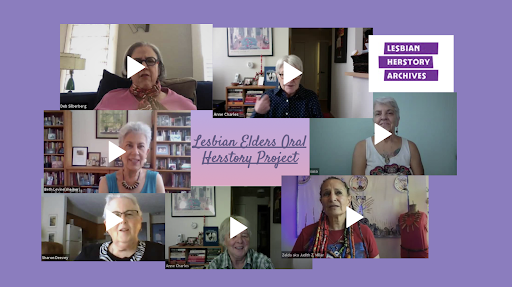
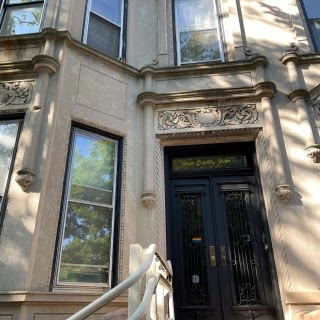

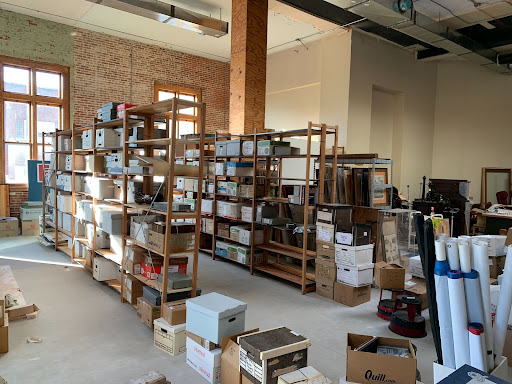
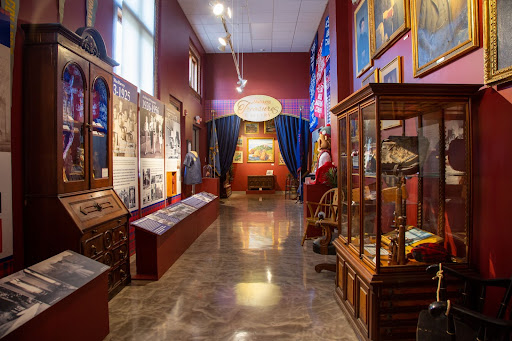


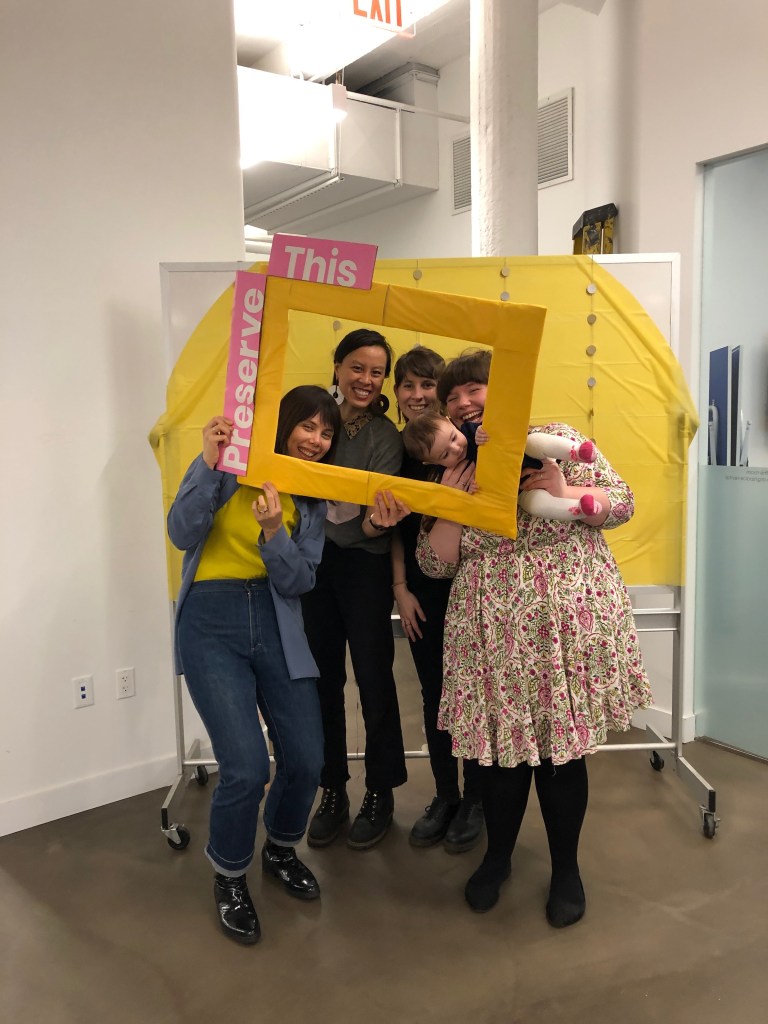
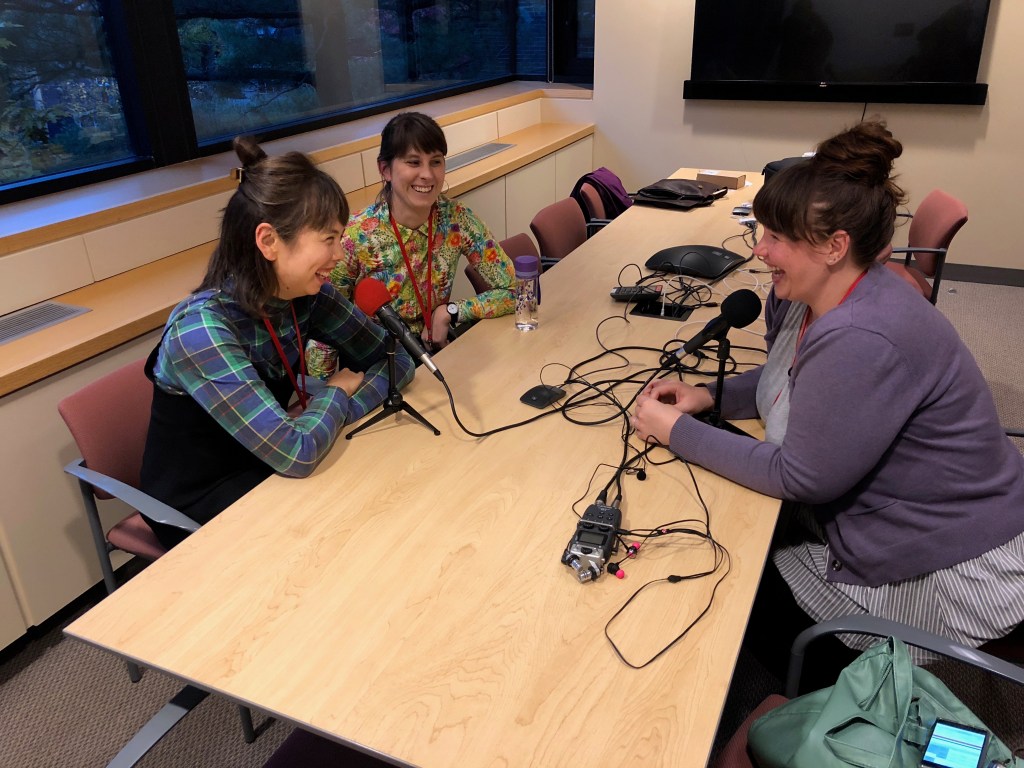


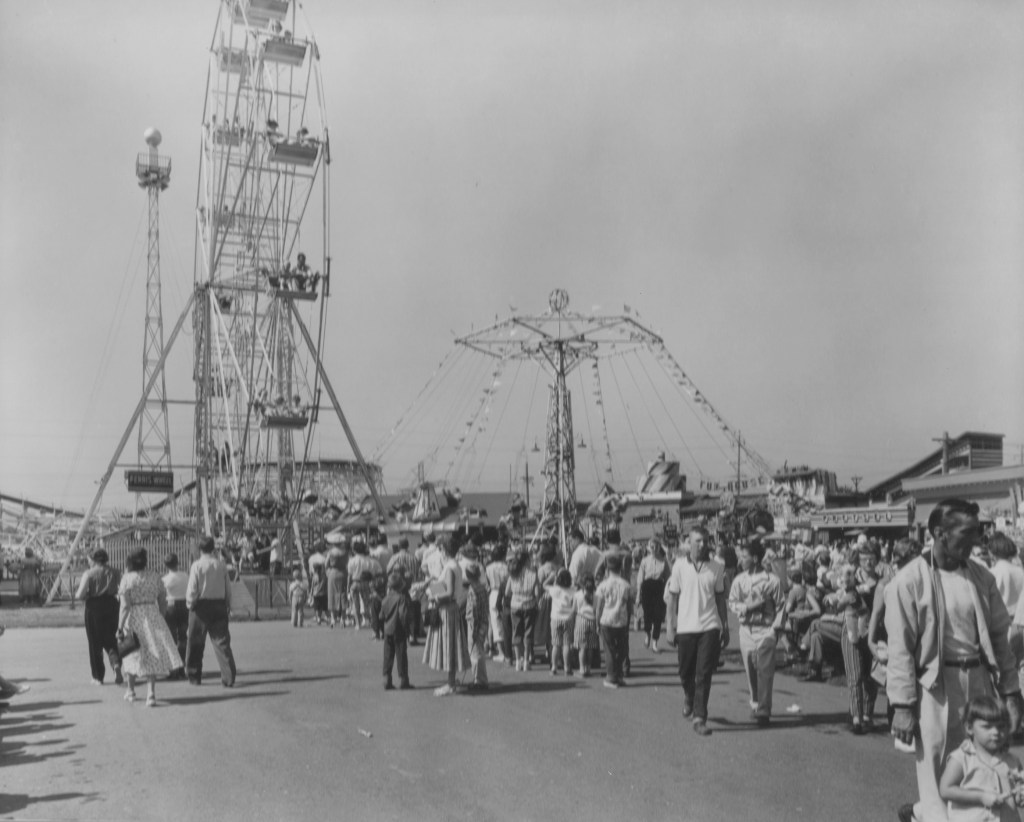
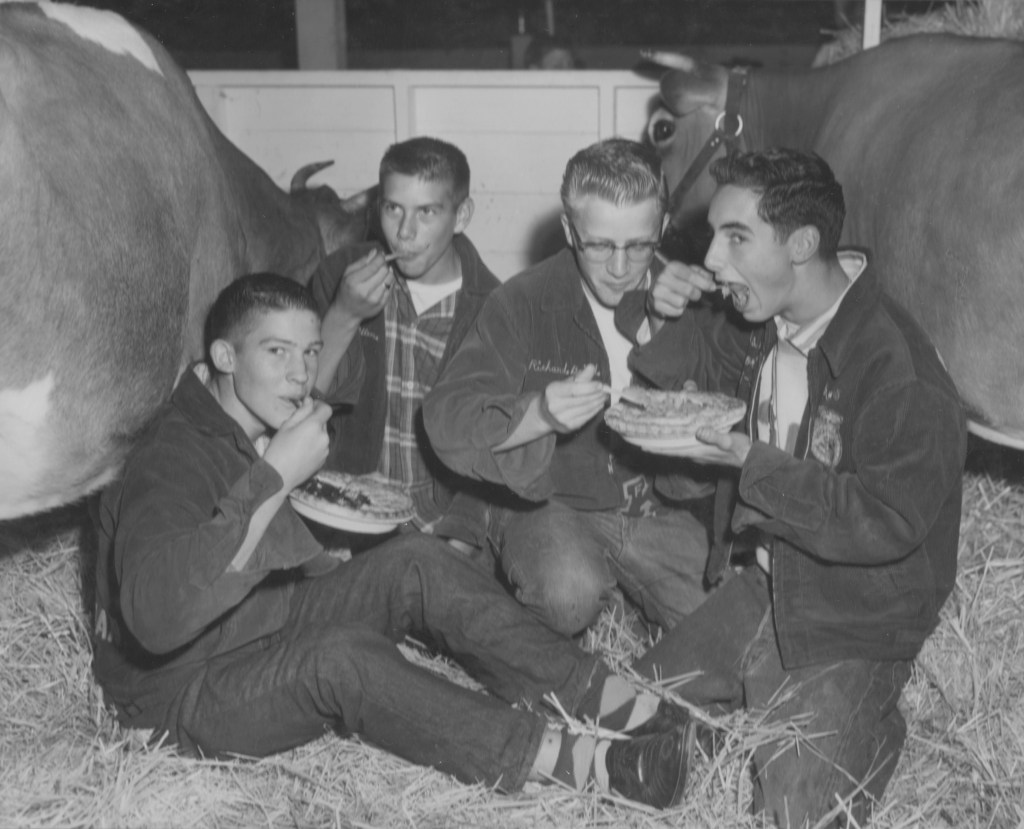
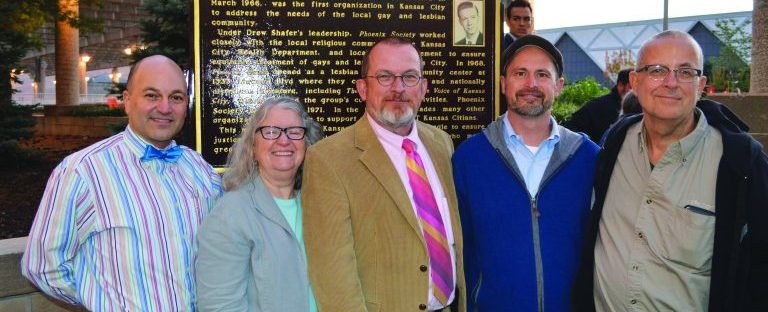

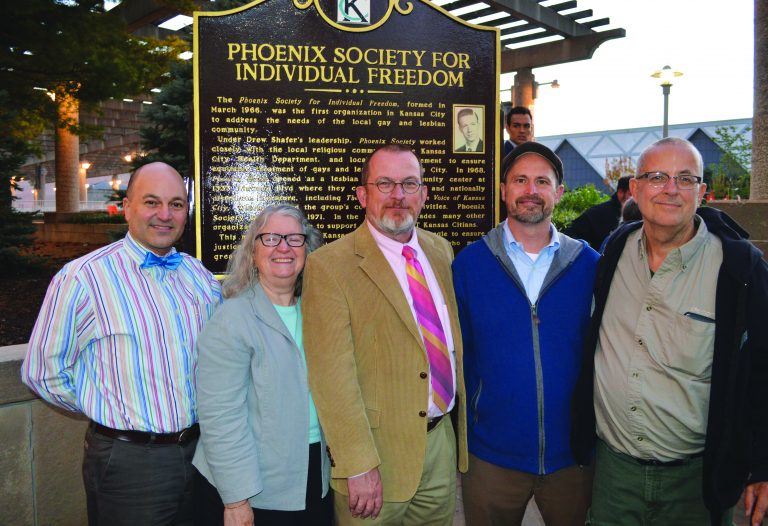
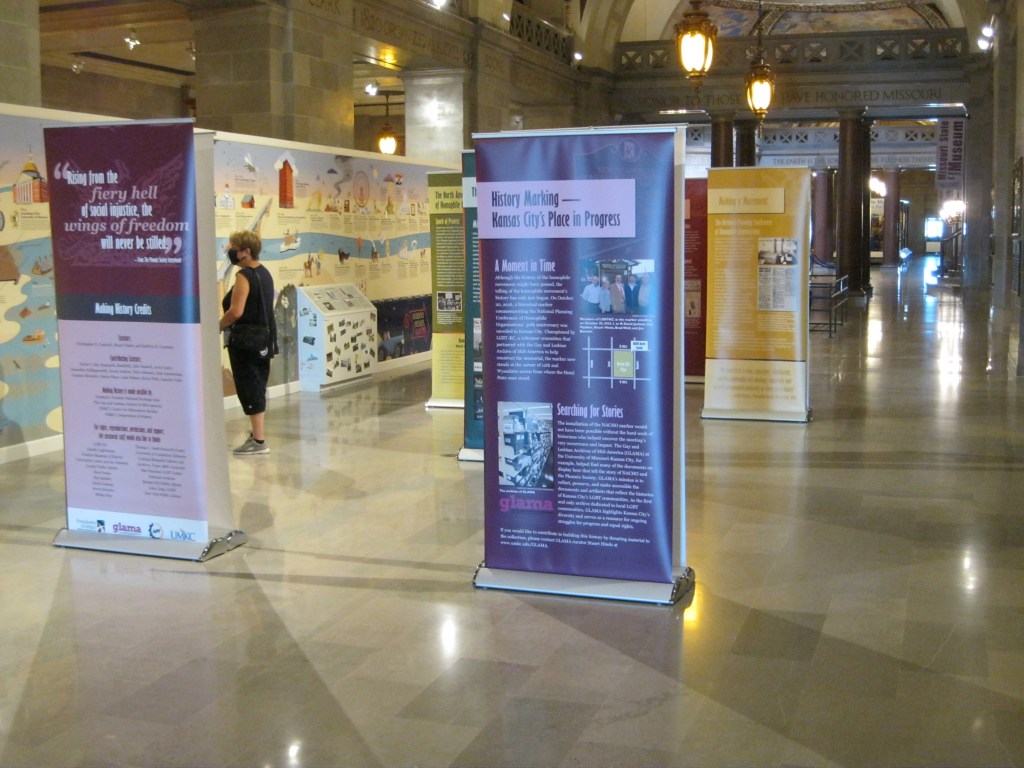
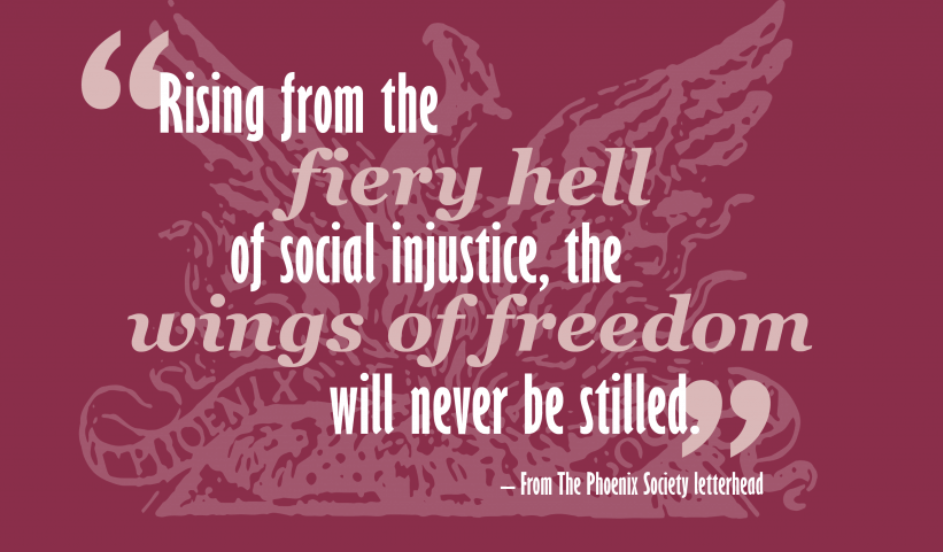

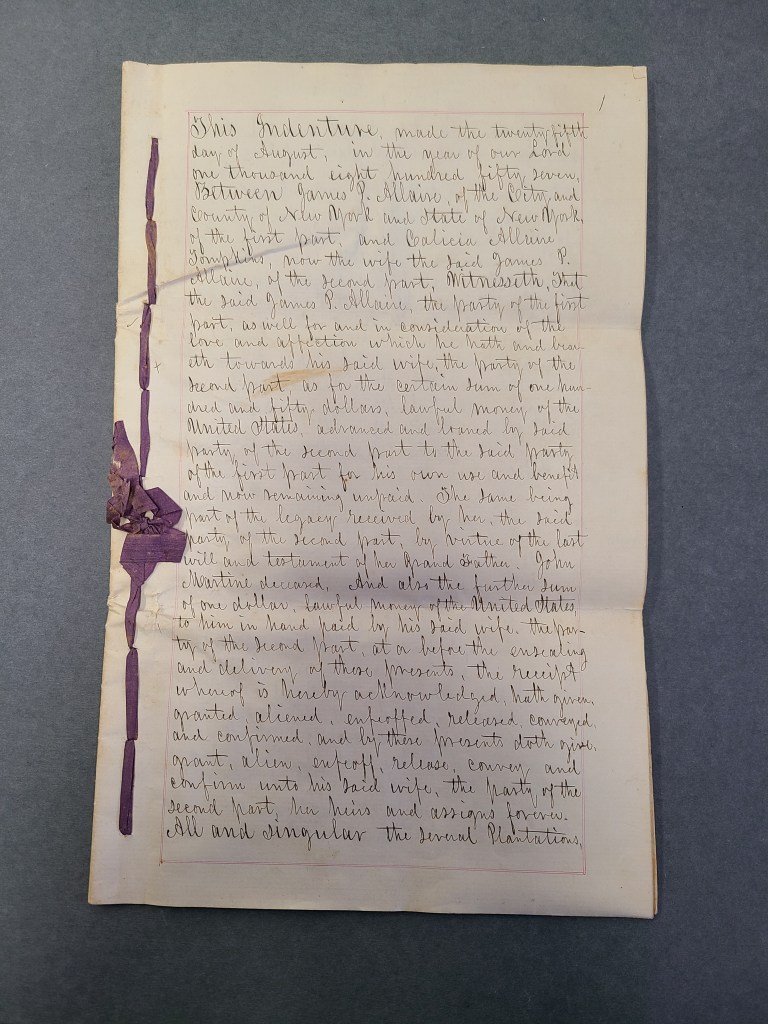
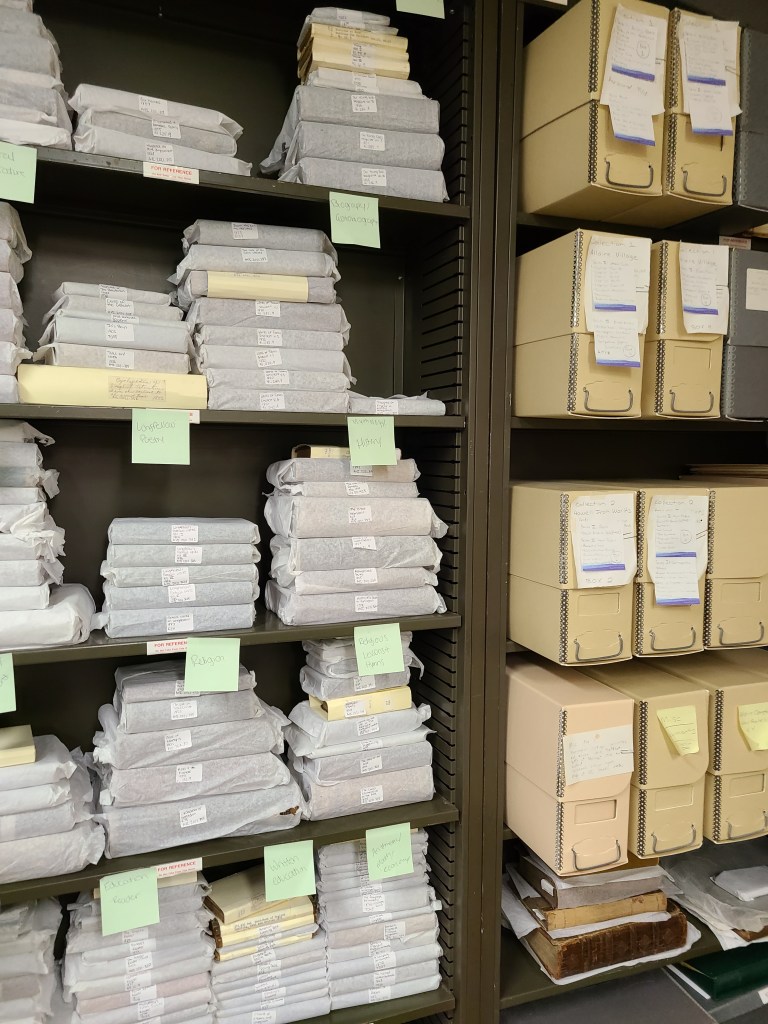
 ArchivesAware