From the Vaults — Catching Pokémon: A Historically Themed Pokémon Scavenger Hunt Outreach Activity

This series celebrates all the great information that exists in ArchivesAWARE!

This post originally published on December 12, 2016, was authored by guest contributor Meredith E. Torre, Archivist at the Atlanta Housing Authority. It describes using a Pokémon scavenger hunt to celebrate American Archives month.


torre_headshot
Photo provided by Rachel Thomas.

To celebrate October’s Archives month, the Atlanta Housing Authority (AHA) Archives recently launched a historically themed Pokémon scavenger hunt. The game was designed to celebrate some of the important people who have contributed to AHA’s history.

This outreach activity was great at eliciting responsive participation, generating conversation, and demonstrating some of the papers and records the AHA Archives holds for people valuable to our history.
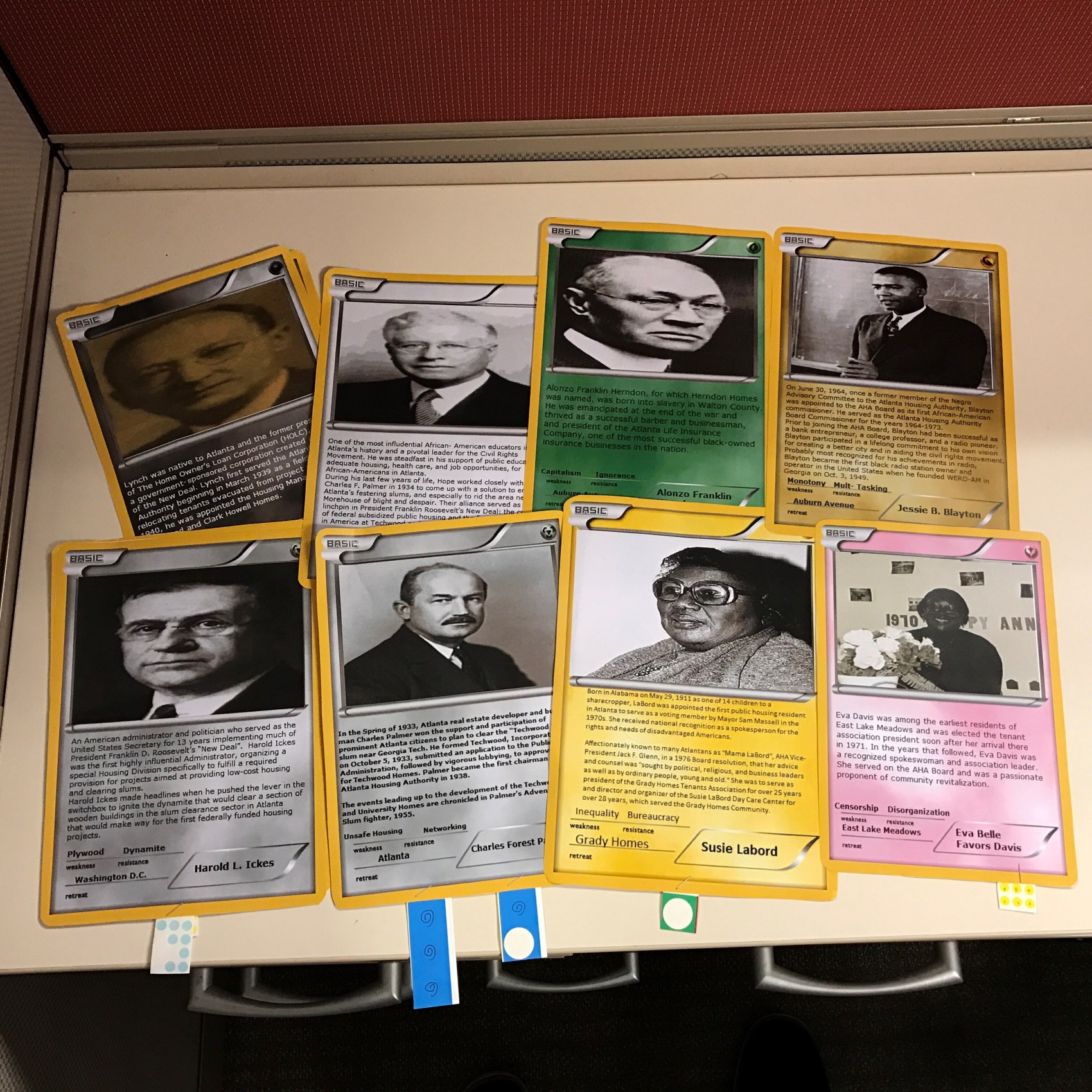
assortment-of-pokemon
An assortment of Pokémon cards featuring notable individuals.

The fabrication of the game was fairly simple. The game was created entirely out of paper “Pokémon” cards, with corresponding stickers (to show how rare or common that particular Pokémon was) attached to the Pokémon, and a Pokéball or scorecard. Because the game was setup like a scavenger hunt and the score card resembled a bingo card, no knowledge of the actual Pokémon game was necessary to play the game.

The Pokémon cards consisted of biographical information for persons who are a significant part of AHA’s history—Charles F. Palmer, Dr. John Hope, Harold L. Ickes, Jesse Blayton, Clark Howell, and President Roosevelt, just to name a few—and corresponding stickers. These Pokémon were posted throughout AHA’s building. The object of the game was to locate the Pokémon (the person of historical significance) and to “catch” the Pokémon by placing the corresponding sticker onto a scorecard or your Pokéball. In the actual game of Pokémon, some Pokémon are common and some are rarer than others. We printed out less Pokémon cards for those person in our history we identified as already familiar and made them “rare”. On the contrary, we printed out more Pokémon cards for those persons perhaps less familiar and placed them in more prominent places to make them “common” and to give them more exposure.


pokemon-scorecard
Pokéball Scorecard

In creating the game, there are lots of Pokémon templates online to choose from. We selected a blank card template created by artist Christian England (LevelInfinitum) on Deviant Art to create our Pokémon cards and edited the images using Pixlr. We created our scorecards as a Word document and printed an image of a Pokéball on the opposite side.

We announced the Pokémon activity and posted the rules with scorecards in centralized locations. We held the game for a period of one week. There was a lot of enthusiasm for the activity and people said in hunting for the Pokémon that they really enjoyed discovering the people who make up a part of AHA’s history and learning things about them they may have not known!
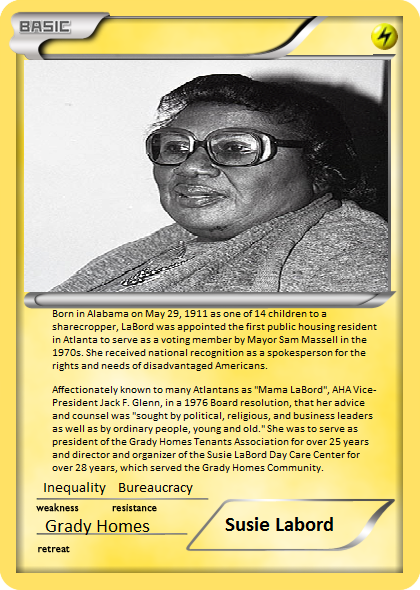
susie-labord
Completed Pokémon card created for Susie Labord, AHA’s first resident commissioner.

Pokémon themed prizes were awarded in a drawing for the hunters who collected the most Pokémon and to the hunter who collected the Legendary Pokémon, AHA’s first resident commissioner, Susie LaBord.

This outreach activity was easy to coordinate, super fun, and is also easily customizable for your institution!

RESOURCES:

Pokémon templates used in this project: http://levelinfinitum.deviantart.com/art/Pokemon-Blank-Card-Templates-Basic-474601445

Artist’s profile page: http://levelinfinitum.deviantart.com/

Pixlr Editor: https://pixlr.com/


Have you developed an innovative outreach program at your repository? If so, please share in the comments below or contact archivesaware@archivists.org to be a guest contributor to ArchivesAWARE!
Get your photos ready!

SAA Marketing and Communications Specialist, Julia Pillard, shares how we can all celebrate #AskAnArchivistDay on October 16th.


Coming as I do from an academic background, I have long appreciated the value of archives. I can recall touring the archives at Norlin Library at the University of Colorado in Boulder during my graduate degree and being so impressed by the extensive knowledge of the archivists giving us the tour. From my experience, I know exactly how amazing archives can be and what treasures they have to offer.

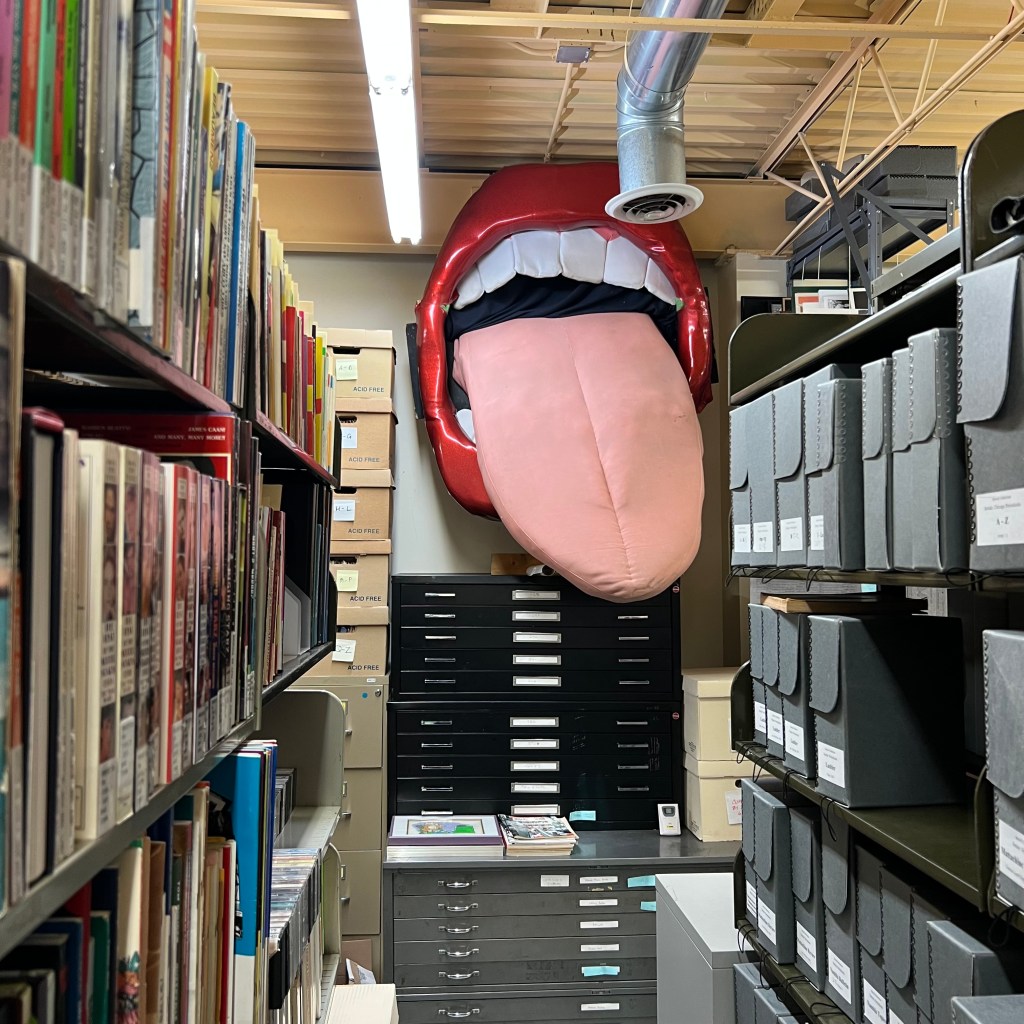
Last year, for the first time, SAA embarked upon a new endeavor to celebrate #AskAnArchivist Day. We put out a call for submissions from archives and repositories around the country, asking for them to share “a picture of the most interesting thing in your archives” to then be features on SAA’s Instagram page. We received dozens of responses and featured twenty-six pieces on our Instagram that day. Our most liked post was from the Gerber/Hart Library & Archives, who shared a massive tongue sculpture that hangs in their archives.

Gerber/Hart is one of the largest LGBTQ+ repositories in the world! There are a lot of interesting items in the collection, but this massive tongue often draws the most attention! Perched atop the poster collections is the enormous mouth that once hung in Carol’s Speakeasy, a Chicago disco and club institution from 1978-1992. Named for Mother Carol (Richard Carroll Farnham), the tongue symbolized ‘loud-mouth’ Mother Carol herself. The tongue has been featured in a few exhibits at Gerber/Hart and takes around four people to move. When the tongue was donated to Gerber/Hart, it was black from years of cigarette smoke and had to be cleaned before being transferred to the archive. Courtesy of the Gerber/Hart Library & Archives.

We had such fun with this experience that we’ve decided to do it again this year! If you want to share a high-resolution photo from your institution, archives, or repository, send it to jpillard@archivists.org along with a caption. And get inspired with some of favorite photos from last year:

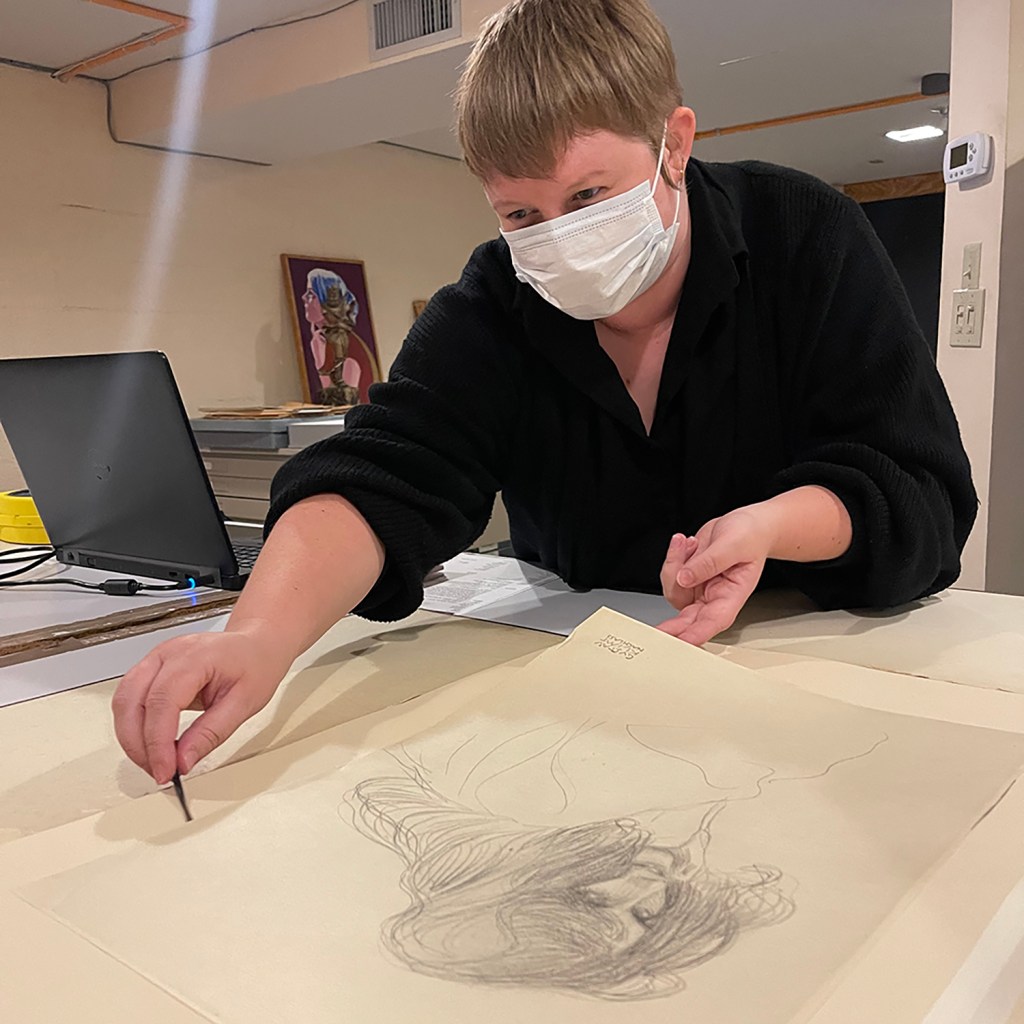
A Frank Lloyd Wright Foundation archivist assesses the Gustav Klimt portfolio owned by Lloyd Wright. Courtesy of the Frank Lloyd Wright Foundation.
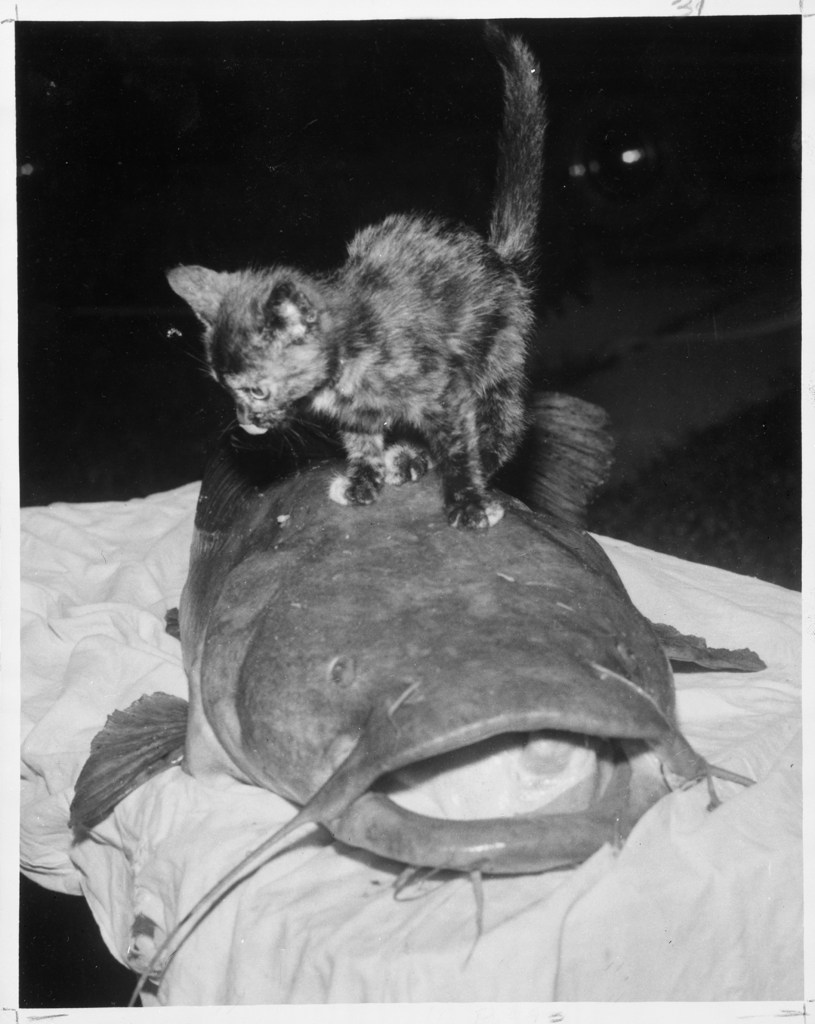
The Indiana Archives shared a photo of a kitten sitting on a catfish from between 1930 and 1969. Courtesy of the Indiana Archives.
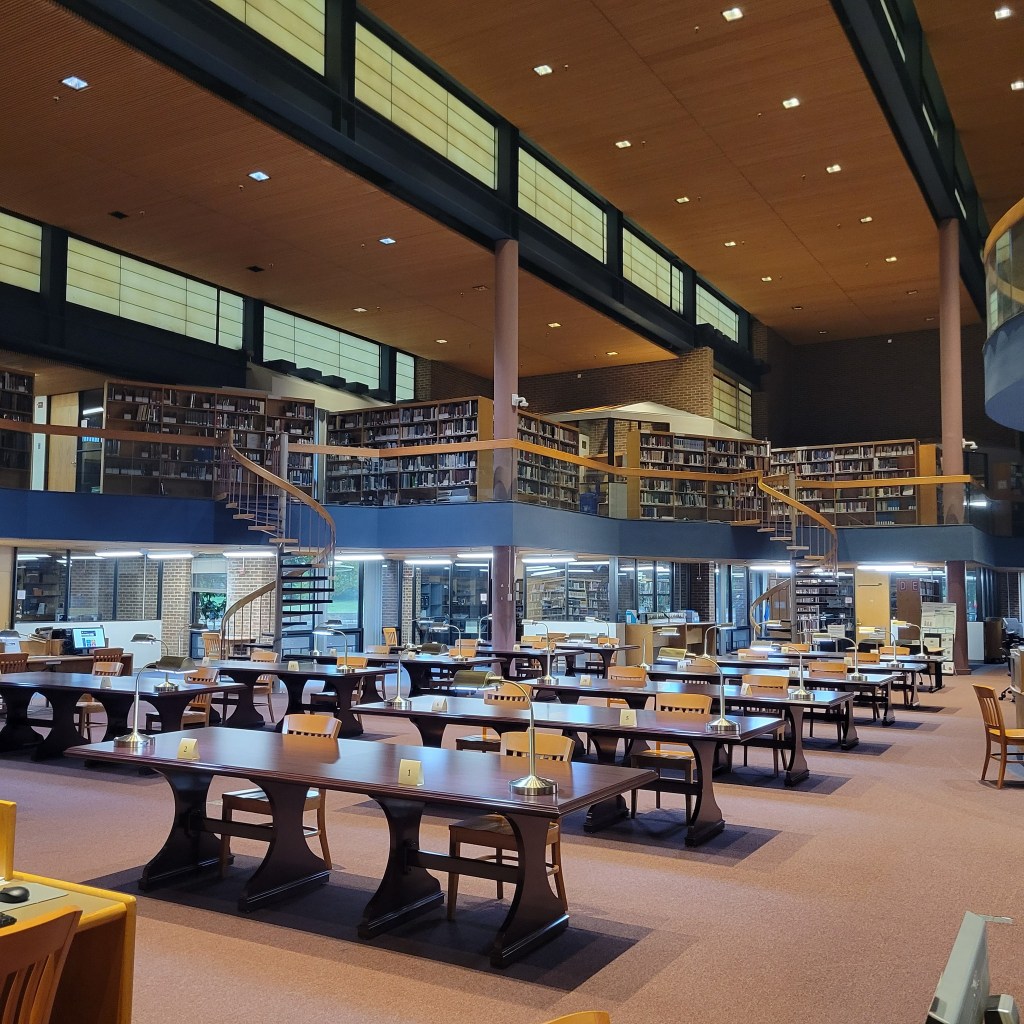
The updated Search Room at Maryland State Archives. The new tables were designed to offer three times as much space for visitors. Courtesy of the Maryland State Archives.

So You Wanna Be an Archivist: Meredith Lowe & Archives Gig

In this series, we hope to share information and resources for new professionals or those folks in need of change.
First up, an interview with Meredith Lowe, the creator of Archives Gig, a website devoted to sharing job postings for archives around the globe. At ARCHIVES*RECORDS 2024, Archives Gig and INALJ (I Need a Library Job) received the Exemplary Service Award from SAA.


What inspired you to start Archives Gig? When did you start it?

I started Archives Gig in 2010, when I was relatively fresh out of my library science graduate program and interested in breaking more permanently into the archives field. I worked in an iSchool (and still do – my career goals changed!). We had been doing some career services projects for our students that included posting open positions. I wanted to broaden the scope of the work and make it accessible to alumni and others, so I built the first iteration of Archives Gig on LiveJournal. LiveJournal was maybe not the most logical choice looking back on it, but it was a platform I was familiar with. It moved to WordPress in 2014 and I got a paid WordPress account relatively soon after that, so it’s hanging out at archivesgig.com nowadays and still hosted on WordPress.

The About page from Archives Gig’s website.

How did you choose the platform you post on and has that changed? How many social media accounts do you link to?

I already mentioned the switch to WordPress. People can sign up to get emails when I post positions, and some find me through Facebook. Archives Gig used to feed to X/Twitter as well, but apparently X stopped playing nice with WordPress at some point and connection is no longer supported. If there are other platforms out there that would connect nicely with WordPress I would be happy to consider expanding to those! I am always willing to hear feedback.

Were you aware of any changes during or after the COVID pandemic?

Yes, for sure. 2020 was the lowest annual total posts I have made since I moved to WordPress in 2014. I usually put up 1400-1600ish postings annually; 2020 had 1,061 total postings. I have definitely seen an increase, anecdotally, in remote positions and positions that are explicitly hybrid. People are very interested in remote roles, those are always the ones that get the most engagement from followers. However, very few remote roles are permanent, full-time positions.

Who do you think uses the resource most often? New professionals or folks familiar with the field?

I’m going to hazard a guess on this. I did a brief survey earlier this spring (2024) to get a quick survey for a Council of State Archivists webinar presentation I was working on. I got about 200 responses and when I asked what general level of career experience respondents had, it was about 35% early career (0-3 years), 25% experienced (7+ years), 17% fairly experienced (3-7 years), and 17% grad students. There were some other smaller groups but those were the biggest groups. So the biggest group still seems to be grad students and early career archivists, but I still have a decent number of people who are more experienced looking at this resource.

Does running Archives Gig give you hints about the job market? (For example, jobs in similar positions or certain areas of the country or kinds of repositories)

The biggest concentrations of jobs are unsurprisingly in areas of high population density. For example, New York, California, and the Washington, DC area all are higher in the number of postings relative to other places. I don’t think that’s too surprising. Sometimes state archives positions are more concentrated in a state’s smaller capital city rather than its urban centers (for example, Albany, NY or Frankfort, KY). 

My sense is that another change is that institutions are slightly more transparent with salary listings than they were a few years ago. Finally, I’m seeing many more positions that have particular qualifications in digital archives projects, such as digitization, digital preservation, digital asset management, and so on. I suggest that acquiring skills in these areas will likely make a candidate more competitive on the job market.

Have you always listed international positions? How do you learn about them?

I have always posted international positions, but I have a few caveats. The audience for Archives Gig is based mostly in the USA and Canada, so I require the position description to have an English language version. I used to seek international positions out more intentionally, but in the interest of time and to be most helpful to my mostly North American-based followers, I now usually only post international positions that are sent to me directly.

Do you ever hear back from folks about landing a job?

Yes and I love to hear it! It’s my favorite kind of email to get and I’m so pleased when someone lets me know about their successful job search! I have heard from people at this point who have found more than one job through Archives Gig and it’s amazing to have been a resource during someone’s career journey.